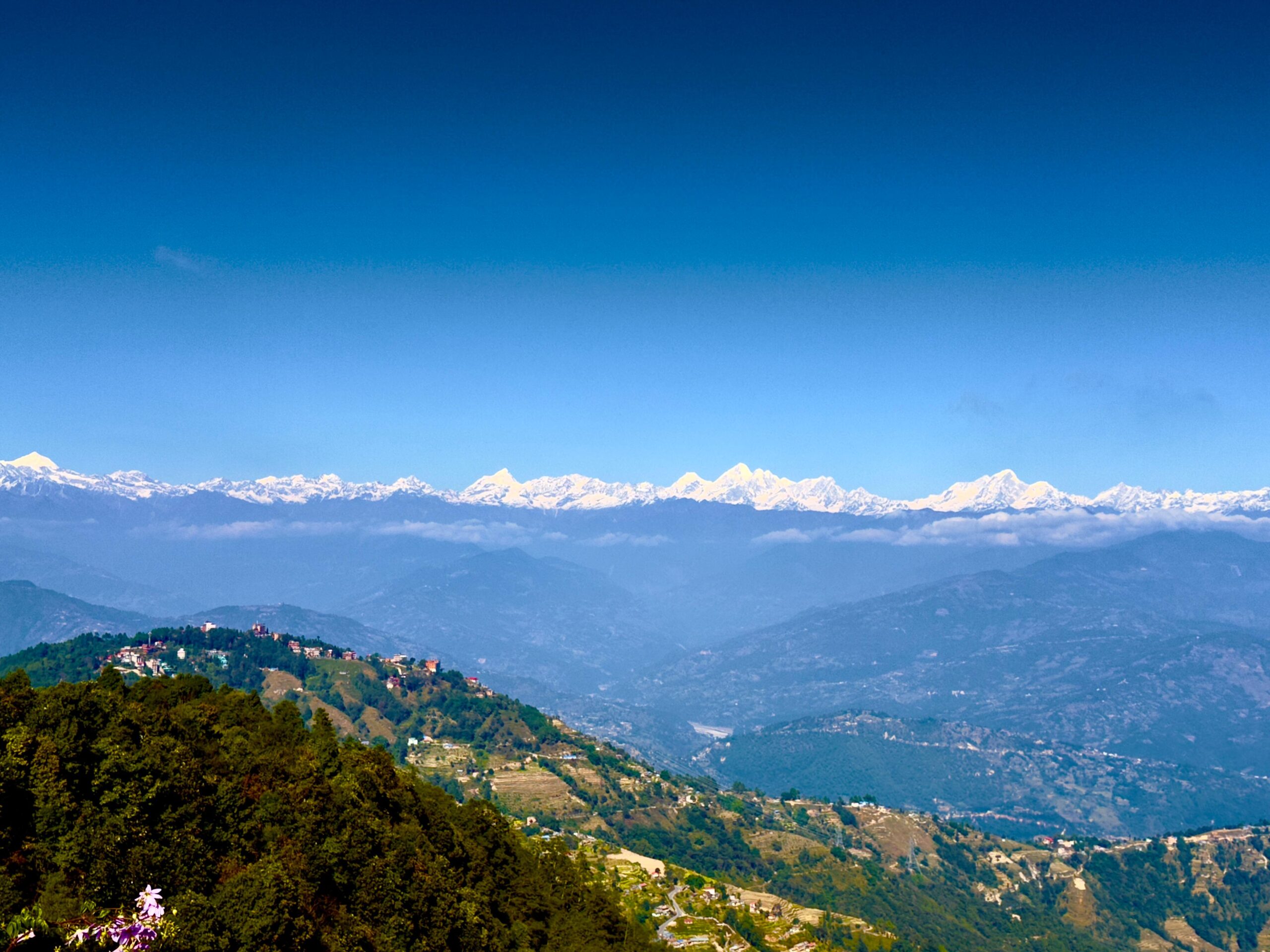
This Everest Pokhara Chitwan tour package takes you from a mountain flight and Kathmandu’s UNESCO sites to Nagarkot sunrises, Bandipur’s heritage streets, Pokhara’s lakes, and a jungle safari in Chitwan.
Trip Facts
-
3 Star Hotel or similar category hotel accommodation in all locations.
-
Included in Price
-
Online or on Meeting
-
Car or Bus throughout the Trip
-
Fully Guided
-
BB Plan
-
March/April/May/October/November/December

To Customize This Trip, upgrade to Luxury Option, Please Text Us Via WhatsApp +9779851350078.
Experience the heart and soul of the Himalayas with our most comprehensive Everest Pokhara Chitwan tour package.
This meticulously crafted journey takes you from the ancient, living museums of the Kathmandu Valley to the soaring heights of Mount Everest, the serene lakes of Pokhara, and the lush, subtropical jungles of Chitwan.
This Everest Pokhara Chitwan tour package is designed for travelers who want to see it all—Jaw-dropping Everest Mountain flight, UNESCO World Heritage sites visit in kathmandu, sunrise panoramas over the world’s highest peaks, the charm of medieval Newari villages, relaxing in natural city of lakes in Pokhara and the thrill of spotting the rare one-horned rhino in the wild.
Trip Highlights
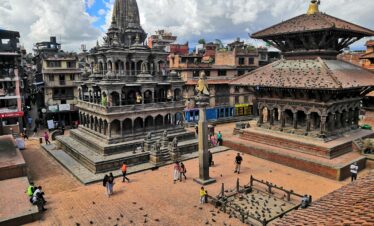
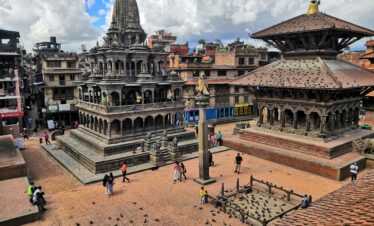
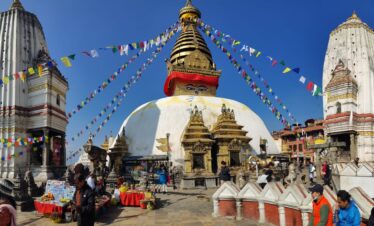
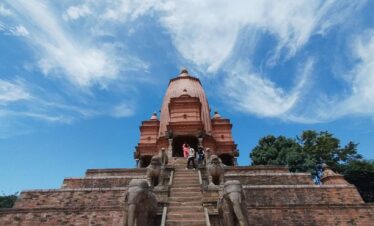
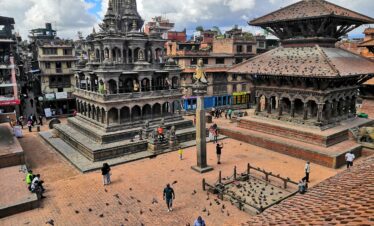
UNESCO Heritage Immersion in Kathmandu Valley: Guided tours of Pashupatinath, Boudhanath, and the historic Durbar Squares of Kathmandu, Patan and Bhaktapur.
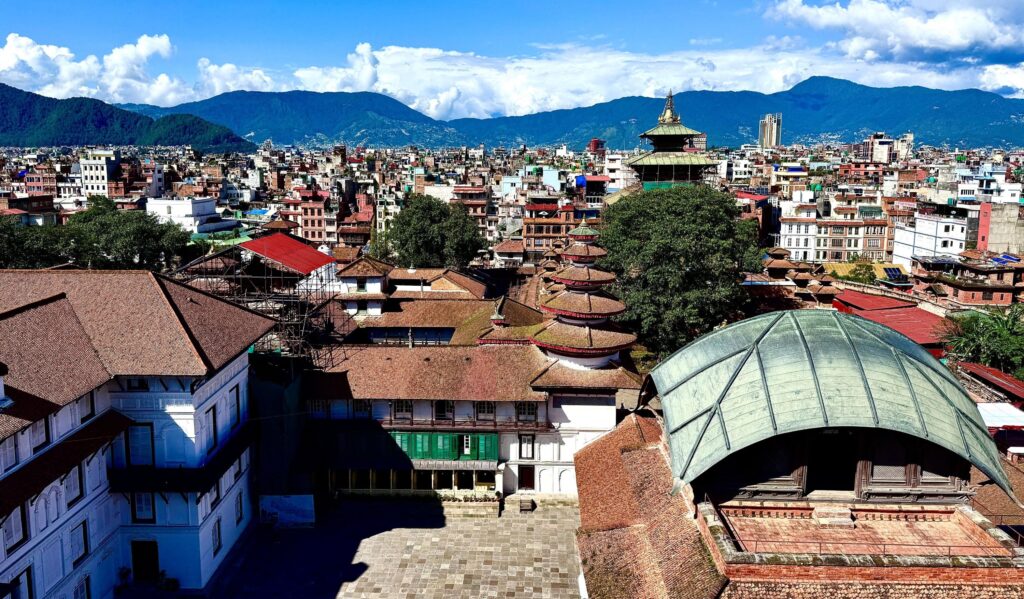
The UNESCO Heritage Immersion is one of the cultural anchors of this Everest Pokhara Chitwan tour package, spread across two separate days rather than a single rushed itinerary stop.
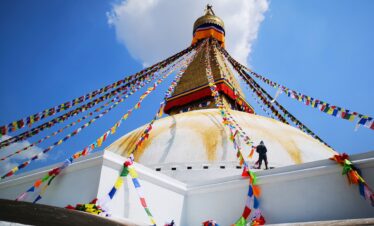
Pashupatinath, the holiest Hindu temple in Nepal, and Boudhanath, one of the largest Buddhist stupas on earth, are paired with Kathmandu and Patan Durbar Squares on Day 2, alongside the Everest mountain flight.
Standing on the banks of the Bagmati River at Pashupatinath, or watching pilgrims circle Boudhanath’s prayer flags, gives this Everest Pokhara Chitwan tour package a cultural depth that balances out its more adventure-driven days.
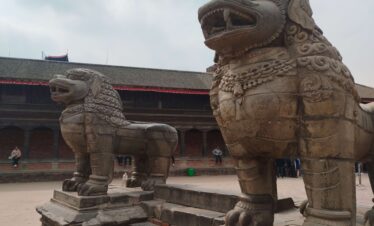
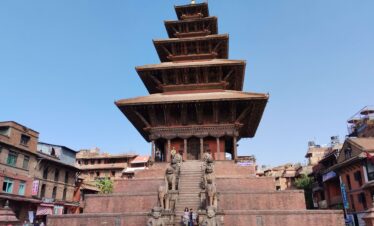
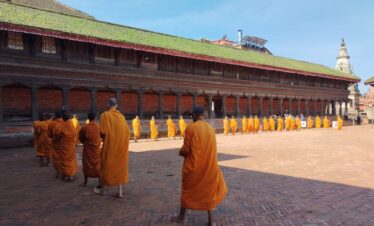
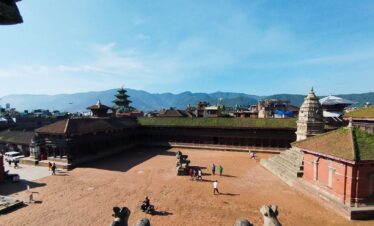
Bhaktapur Durbar Square is held for Day 3, paired with Changu Narayan Temple on the way to Nagarkot, rather than crowded in alongside the other UNESCO sites.
This gives Bhaktapur — with its 55-Window Palace and towering Nyatapola Temple — room to breathe as its own dedicated stop, one of the reasons this Everest Pokhara Chitwan tour package doesn’t feel like a checklist tour despite covering seven UNESCO World Heritage zones in total.
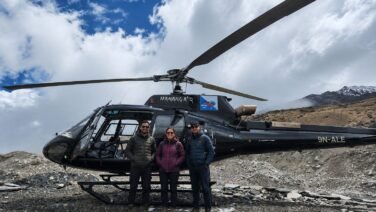
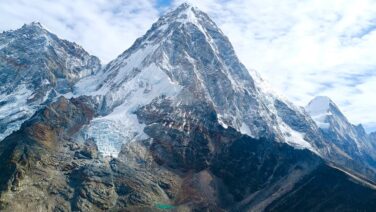
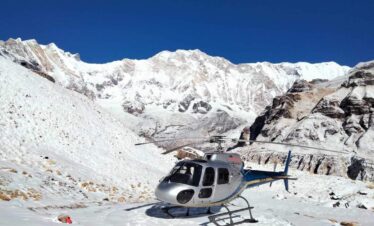
Everest Mountain Flight: A front-row seat to the world’s highest peaks, including Mt. Everest (8,848m), in a breathtaking morning flight.
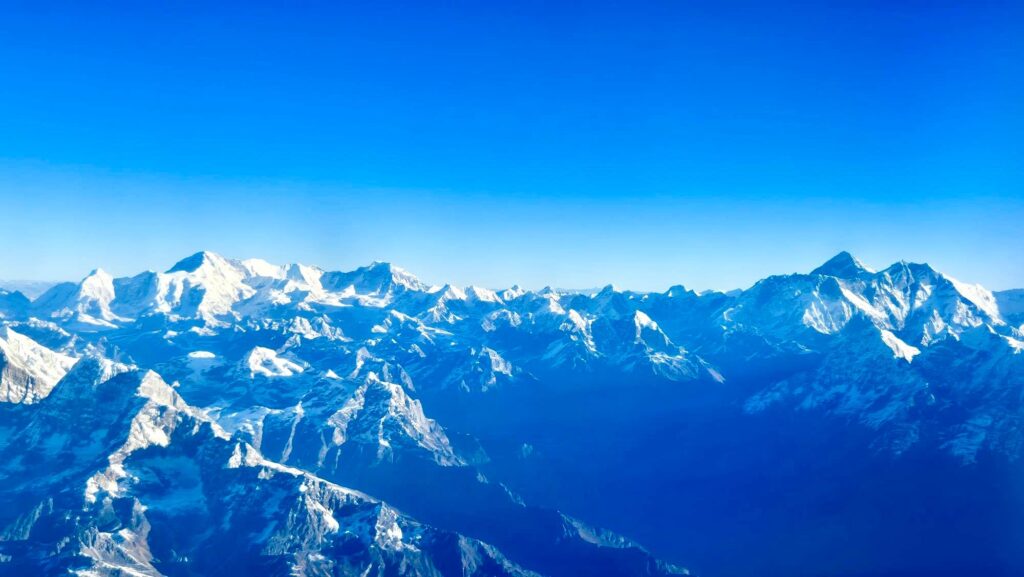
The Everest Mountain Flight is the signature morning of this Everest Pokhara Chitwan tour package, scheduled first thing on Day 2 before the afternoon’s UNESCO sightseeing begins.
A short transfer to Tribhuvan International Airport puts you in the air by mid-morning, tracing a route past 20 of the world’s highest peaks — Lhotse, Cho Oyu, and Ama Dablam among them — before reaching the flight’s centerpiece: Mount Everest itself, at 8,848 meters.
Every seat on this leg of the Everest Pokhara Chitwan tour package is a window seat, and passengers rotate into the cockpit for an unobstructed view during the flight.
It’s roughly an hour in the air, but the payoff is disproportionate to the time it takes — a front-row seat to the Roof of the World without the twelve to fourteen days of trekking and altitude adjustment a ground approach to Everest normally requires.
That’s precisely why this flight anchors the itinerary early: it lets this Everest Pokhara Chitwan tour package deliver a genuine Everest experience to travelers who don’t have the time, fitness, or interest for a full Base Camp trek, while still leaving the rest of Day 2 free for Kathmandu’s temples and Durbar Squares.
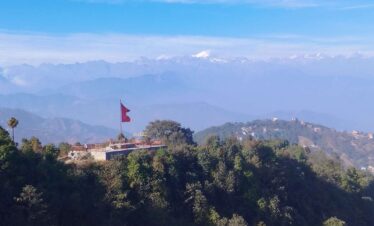
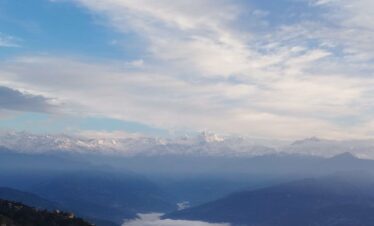
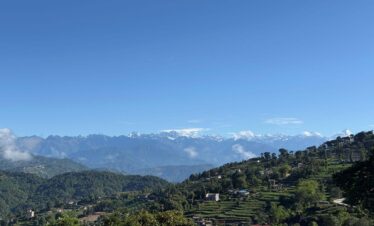
Nagarkot Sunrise: An overnight stay at a hill station offering a 360-degree panorama of the Himalayan range.
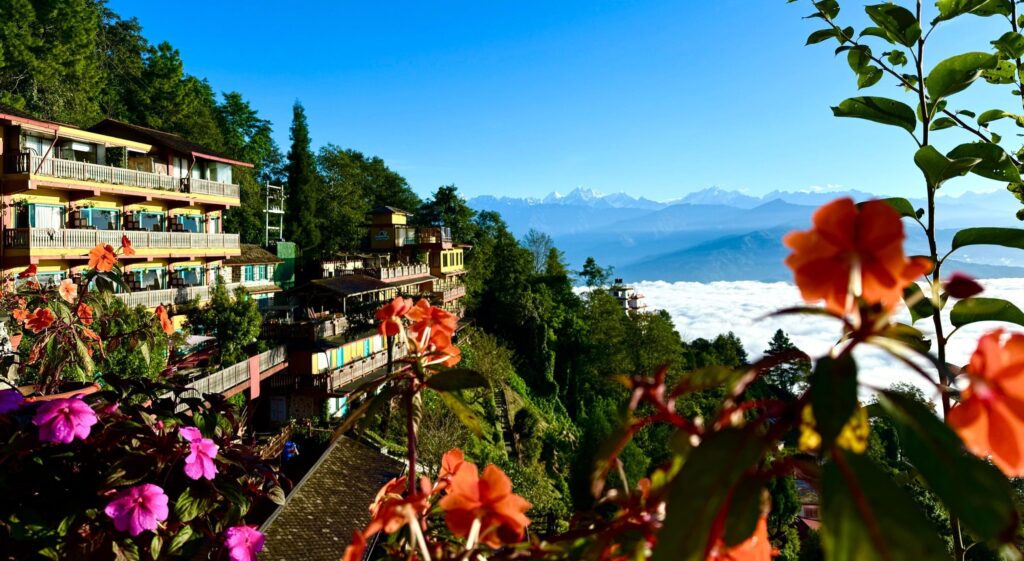
The Nagarkot overnight is where this 10-day Nepal tour package slows down and hands the mountains the spotlight for a full evening and morning, rather than a quick drive-by viewpoint stop.
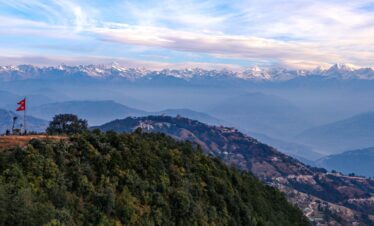
After Bhaktapur and Changu Narayan on Day 3, you arrive in Nagarkot in time for sunset, watching the Langtang and Ganesh Himal ranges shift through gold and orange from the hilltop viewpoint before settling in for the night at 2,175 meters.
Building an overnight stay into this Everest Pokhara Chitwan tour package, rather than a same-day round trip from Kathmandu, is what makes the sunrise the next morning possible at all.
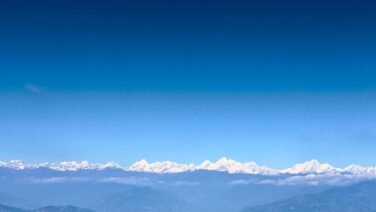
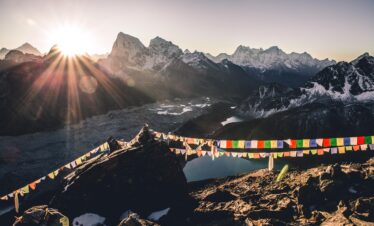
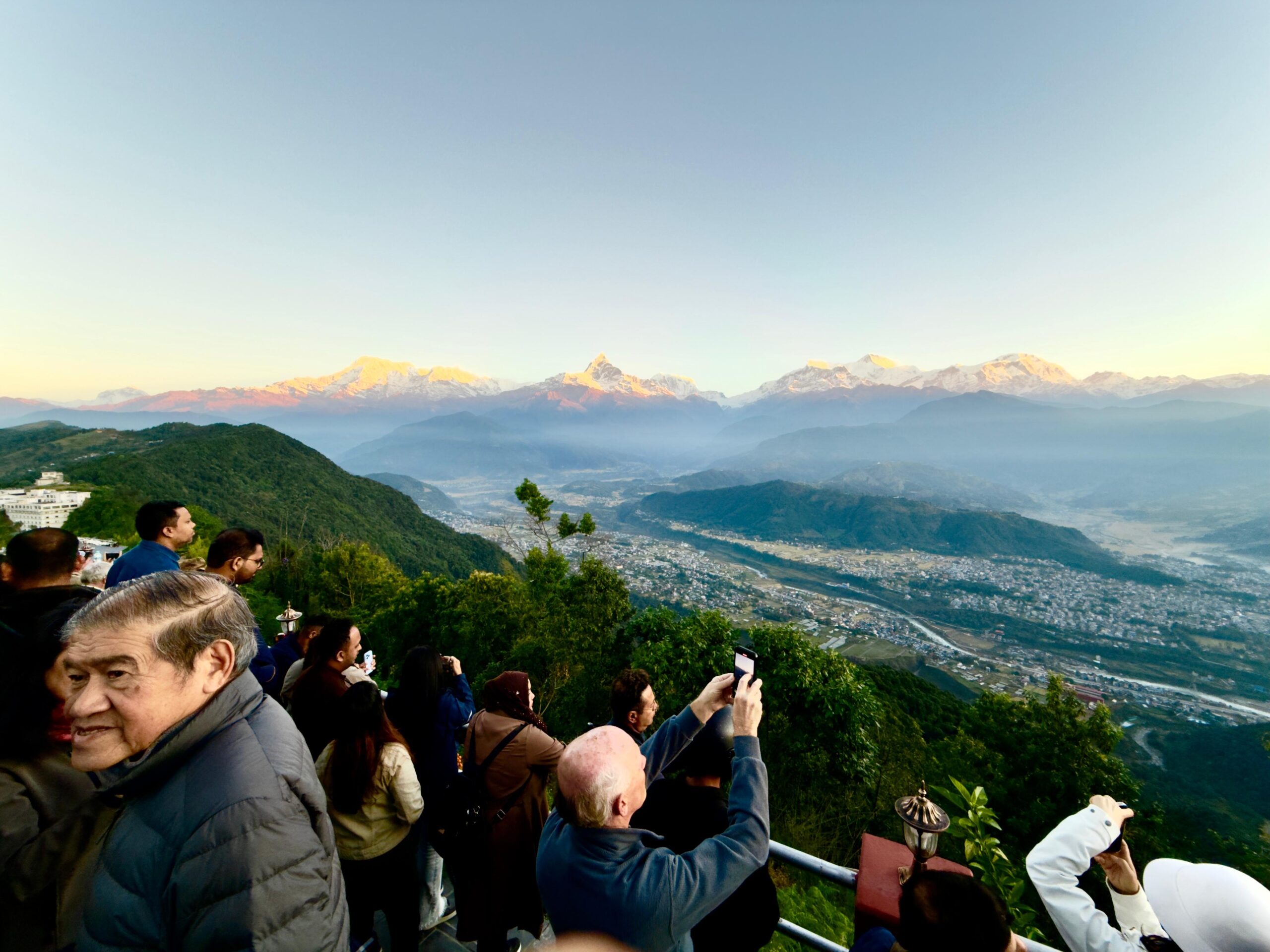
That sunrise is the real reward: waking before dawn on Day 4 to watch first light touch up to eight of Nepal’s thirteen major Himalayan ranges — Annapurna, Manaslu, Langtang, and Everest among them — from your hotel balcony or the Nagarkot View Tower.
It’s one of the most complete 360-degree Himalayan panoramas available anywhere without a trek, and it’s exactly the kind of unhurried, view-first morning that separates this Everest Pokhara Chitwan tour package from itineraries that treat Nagarkot as a two-hour add-on rather than a destination in its own right.
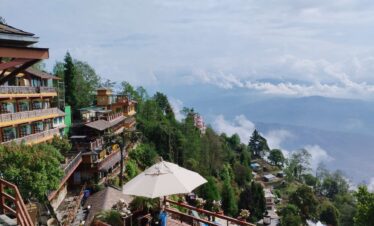
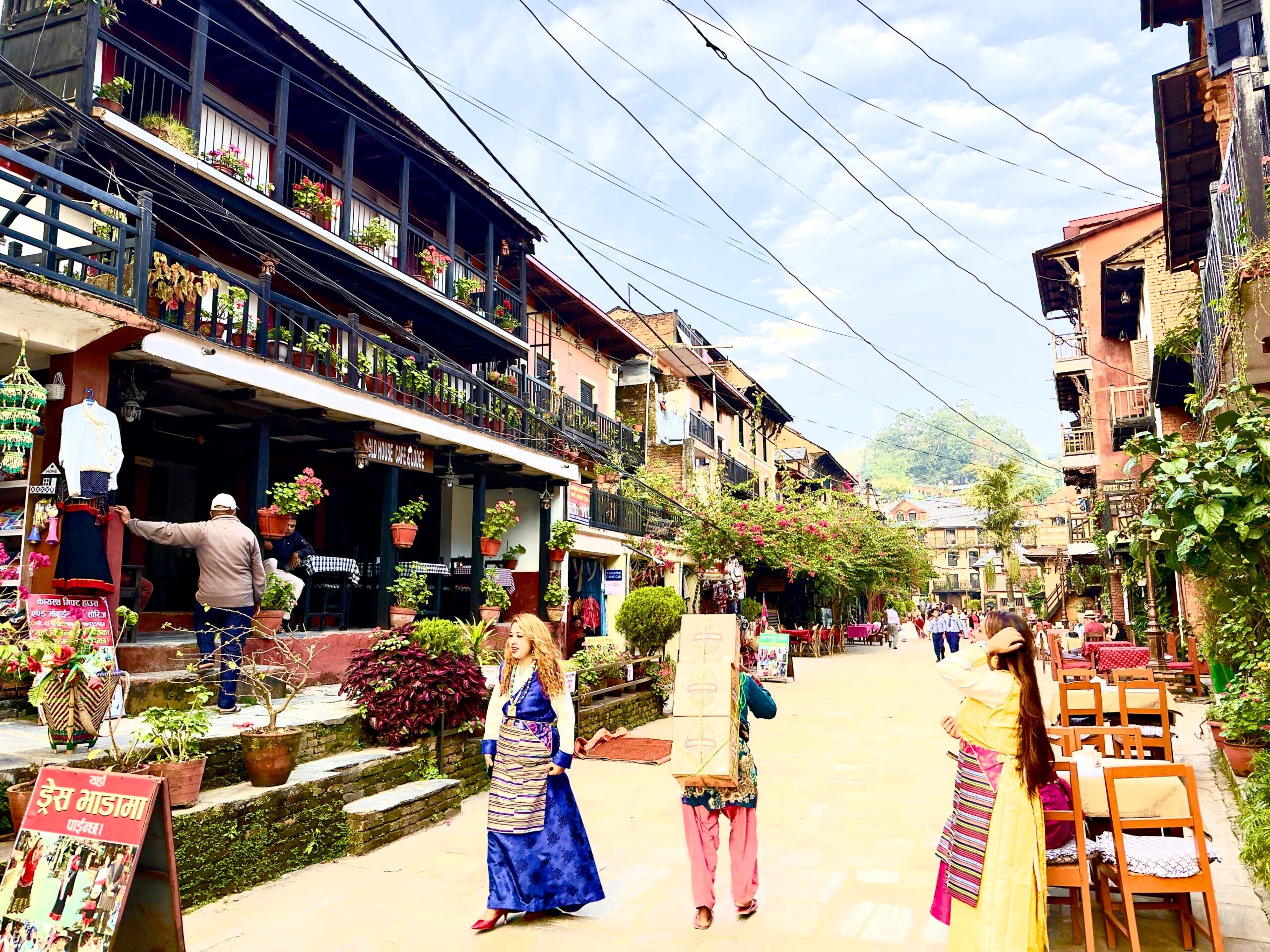
Bandipur Heritage Stay: Step back in time in the beautifully preserved 18th-century Newari town of Bandipur.
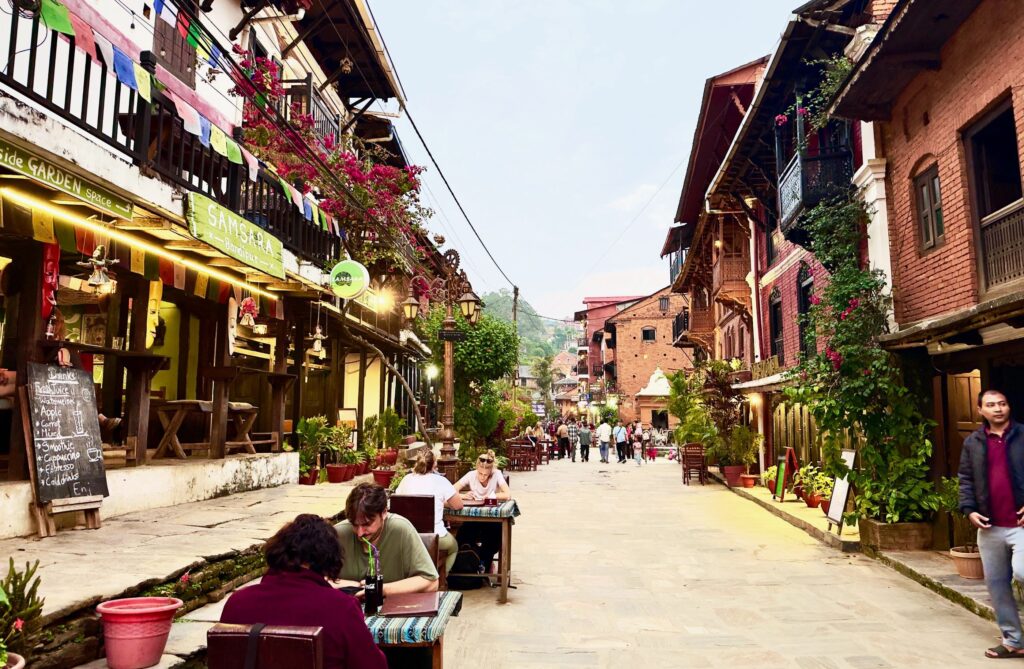
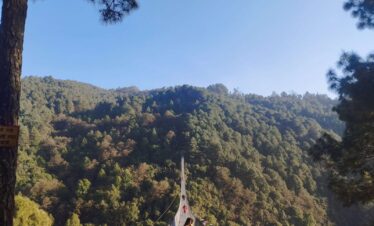
Bandipur is where this Everest Pokhara Chitwan tour package trades mountain views for something quieter — a 700-meter climb up switchbacks from Dumre, at the end of the Day 4 drive from Nagarkot, into a town that genuinely feels like a different century.
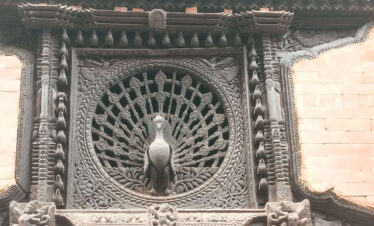
The main bazaar is strictly pedestrian-only, so the evening arrives without a single car horn — just flagstoned streets, three-story Newari townhouses with carved wooden lattice windows, and the distant ring of temple bells.
It’s one of the few stops on this Everest Pokhara Chitwan tour package that most standard Nepal itineraries skip entirely, which is exactly what makes it feel like a discovery rather than a checklist stop.
The next morning brings a choice before continuing on: a short hike up to Thani Mai Temple for a panorama over the cloud-filled Marsyangdi Valley, or a descent into Siddha Gufa, Nepal’s largest cave.
Either way, Bandipur’s overnight stay gives this Everest Pokhara Chitwan tour package room to breathe between the mountains and the lakes — a genuine heritage town, not a rest stop, where a cup of locally grown coffee and the fog rolling into the valley below are reason enough to slow down before the road continues to Pokhara.
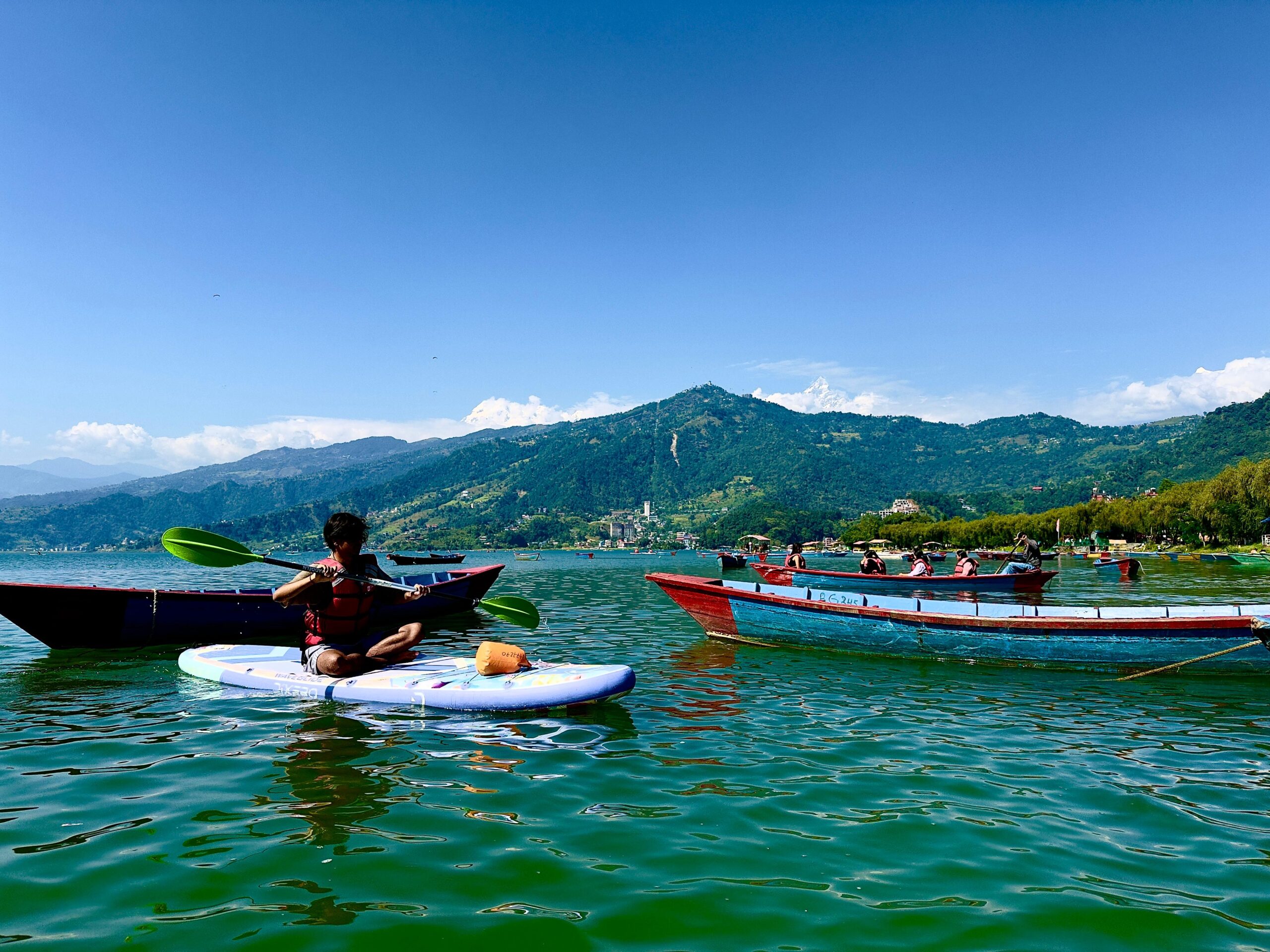
Pokhara Lakeside Serenity: Two nights in Nepal’s “Lake City” with a sunrise trip to Sarangkot and boating on Phewa Lake.
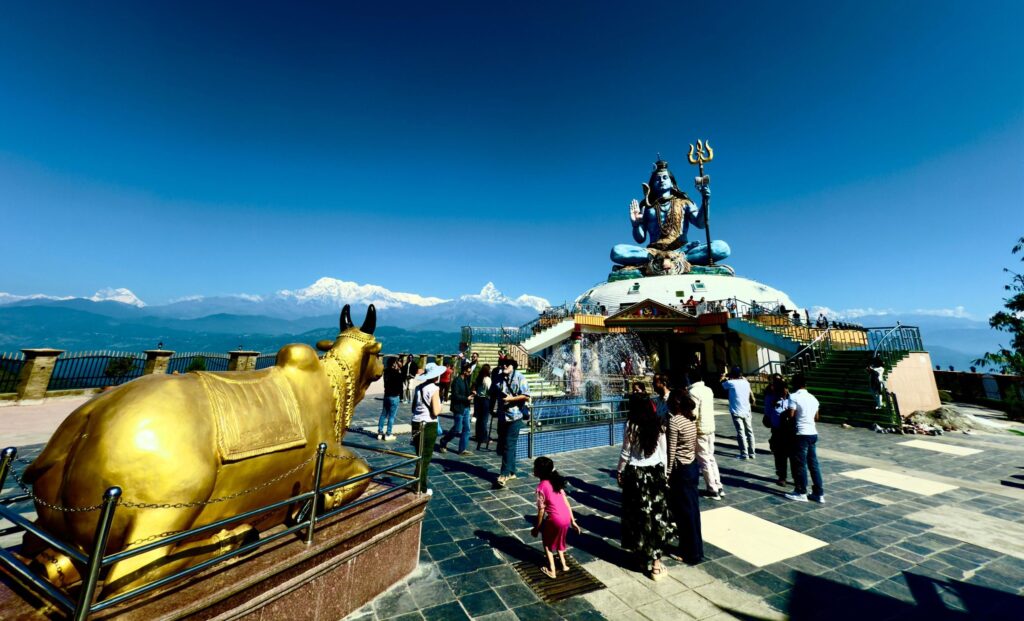
Pokhara is the two-night pause built into this Everest Pokhara Chitwan tour package, arriving on the evening of Day 5 after the descent from Bandipur, with Machhapuchhre — Fishtail Mountain — appearing over the city as the road drops toward the lake.
That first evening is unhurried on purpose: a wooden boat ride across Phewa Lake to the Tal Barahi Temple, then a walk along the Lakeside strip as the Annapurna range settles into silhouette behind the water.
Day 6 is where this Everest Pokhara Chitwan tour package delivers its most photographed morning — a pre-dawn drive up to Sarangkot for sunrise, watching the Annapurna range and Dhaulagiri catch the first light while Machhapuchhre’s distinct peak stands close enough to feel within reach.
The rest of the day stays at Pokhara’s slower pace, with time for Devi’s Fall, Gupteshwor Cave, and the International Mountain Museum before one last evening on the lake. Few stretches of this 10-day Nepal travel plan offer this much room to actually unwind rather than move on to the next stop.
Chitwan Jungle Adventure: A deep dive into the wilderness with jeep safaris, canoe rides, and cultural encounters with the Tharu people.
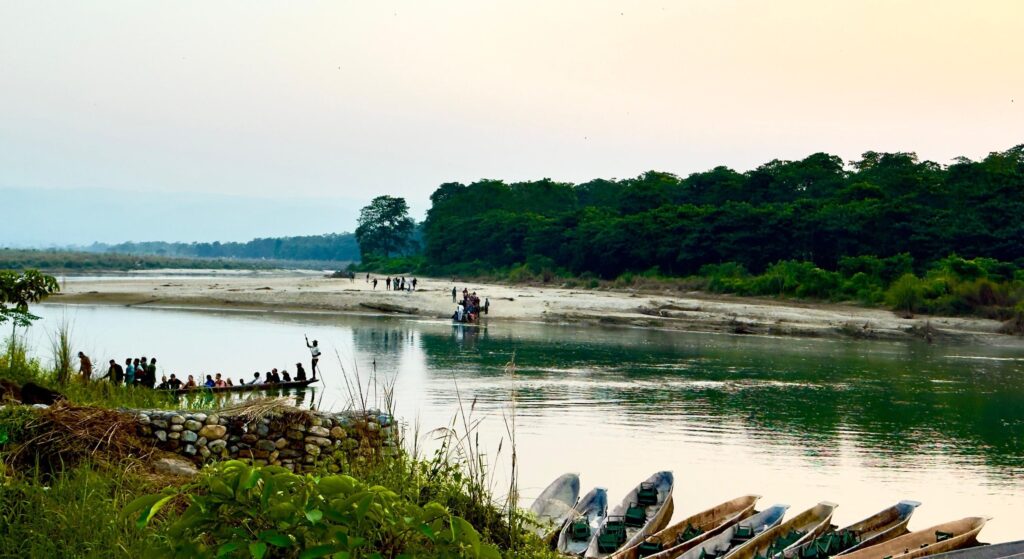
Chitwan National Park is the final shift in this Everest Pokhara Chitwan tour package, and it’s a deliberate one — from cool mountain mornings to the warm, thick air of the subtropical Terai on the Day 7 drive from Pokhara.
After checking into the jungle resort, the afternoon is spent walking through a traditional Tharu village, watching daily life that’s remained largely unchanged for generations, before the evening’s stick dance builds to a fire performance around a communal stage.
It’s the cultural counterweight this Everest Pokhara Chitwan tour package needs after six days of temples, sunrises, and lake views.
Day 8 is the full wilderness day: a dawn canoe ride along the Rapti River past mugger crocodiles and gharial, a stop at the elephant breeding center, and an afternoon jeep safari tracking the one-horned rhinoceros through sal forest and grassland, with sloth bears, spotted deer, and — rarely — the Royal Bengal tiger also possible.
Few stretches of this Everest Pokhara Chitwan tour package shift gears this completely in 24 hours, and it’s exactly why Chitwan closes out the adventure side of the trip before the return to Kathmandu.
Why Himalayan Walkers ($1,650) vs. Standard Budget Tours ($990)
Many 8- to 10-day Nepal tours advertise low entry rates by excluding high-value tickets, using crowded public transport, or rushing long driving days. Here is an honest breakdown of the value built directly into your package:
Why Our 10-Day Nepal Tour Stands Out
See how our comprehensive, unhurried itinerary compares to standard Nepal tour packages.
| Trip Experience | Standard Nepal Tours | Himalayan Walkers Package |
|---|---|---|
| Everest Mountain Flight | ✕ Excluded (Optional extra activity) | ✓ Fully Included (Guaranteed window seat) |
| Driving Pacing & Hill Stations | Rushed 7–8 hr highway drive; skips Bandipur | ✓ Included Overnights in Nagarkot & Bandipur |
| 7 UNESCO Heritage Permits | ✕ Excluded (Paid out-of-pocket at gates) | ✓ Included All entrance permits pre-arranged |
| Ground Transportation | Shared tourist bus / fixed schedules | ✓ Included Dedicated private A/C vehicle & driver |
| Chitwan Safari Activities | Basic nature walk & limited program | ✓ Included Full Board + 4WD Jeep Safari + Canoe Drift |
| Service & Local Guidance | Rotating local guides per city | ✓ Licensed guides, naturalists & 24/7 care |
Package Comparison: Basic vs. Premium vs. Luxury
Every tier follows the same private, unhurried 10-day itinerary and includes all guided tours, permits, and the Everest Mountain Flight. Choose the accommodation and vehicle style that suits your preference:
Select Your Travel Comfort Tier
Every tier follows the exact same private 10-day itinerary, including the Everest Mountain Flight and all 7 UNESCO sites.
Standard Tier
- Handpicked 3-star boutique city hotels
- Scenic hill station resorts in Nagarkot & Bandipur
- Deluxe room at Chitwan safari lodge
- Private air-conditioned sedan or Scorpio SUV
- Everest Mountain Flight & all 7 UNESCO permits
Premium Tier
- 4-star boutique & heritage hotels (e.g. Kantipur Temple House)
- Top lakeside resort in Pokhara (e.g. Temple Tree)
- Premium wildlife lodge in Chitwan (e.g. Green Park)
- Spacious luxury SUV / Toyota HiAce with refreshments
- Everest Mountain Flight & all 7 UNESCO permits
Luxury Tier
- 5-star legendary heritage hotels (e.g. Dwarika’s Hotel)
- Club Himalaya (Nagarkot) & Fishtail Lodge (Pokhara)
- 5-star luxury lodge in Chitwan (Barahi Jungle Lodge / Kasara)
- Private luxury car / transport
- Everest Flight, all permits & 24/7 personal trip concierge
Brief Overview
This Everest Pokhara Chitwan tour package is built for travelers who refuse to settle for just one side of Nepal. It isn’t a single-note tour — it’s a full Himalayan odyssey that moves from the golden spires of ancient temples to the emerald canopy of subtropical jungle, all within the same ten days.
Few itineraries in Nepal attempt this much range, and fewer still manage it without feeling rushed.
Along the way, this Everest Pokhara Chitwan tour package traces Nepal’s history through its UNESCO World Heritage sites, from the living temple courtyards of the Kathmandu Valley to the centuries-old stone carvings of Bhaktapur and Changu Narayan.
Mornings shift from the whisper of clouds settling over Nagarkot to the quiet, unhurried waters of Phewa Lake in Pokhara — two very different kinds of stillness, both built into the same trip.
And then there’s the range of experiences that make this Everest Pokhara Chitwan tour package genuinely memorable: wandering the cobblestone streets of Bandipur’s “living museum,” feeling the adrenaline of a Mount Everest mountain flight, and closing the journey with a jungle safari in Chitwan.
Every stop adds a different texture to the trip, so that by the end, this Everest Pokhara Chitwan tour package feels less like a checklist and more like a proper introduction to everything Nepal actually is.
Our Expert’s Take: Before booking, read our deep dive on why this 10-Day Nepal Travel Package is the ultimate itinerary and for what makes this Nepal journey different from a traditional Everest Base Camp trek.
Journey Highlight
- UNESCO Heritage Immersion: Guided tours of Seven UNESCO World Heritage sites in Kathmandu: Kathmandu Durbar Square, Pashupatinath, Boudhanath, Patan Durbar Square, Bhaktapur Durbar Square and Changunarayan
- Everest Mountain Flight: A front-row seat to the world’s highest peaks, including Mt. Everest (8,848m), in a breathtaking morning flight.
- Nagarkot Sunrise: An overnight stay at a hill station offering a 360-degree panorama of the Himalayan range.
- Bandipur Heritage Stay: Step back in time in the beautifully preserved 18th-century Newari town of Bandipur.
- Pokhara: Adventure & Tranquility: Explore Nepal’s "Tourism Capital" where the towering Machhapuchhre (Fishtail) reflects in the calm waters of Phewa Lake. Experience the mystery of Devi’s Fall, the spiritual peace of the World Peace Pagoda, and the adrenaline of a Sarangkot sunrise.
- Chitwan Jungle Adventure: A deep dive into the wilderness with jeep safaris, spotting wild animals including legendary one horned rhinos, canoe rides, and cultural encounters with the Tharu people.