
- 10
- 7
- 1
- 33




Group Discounts Available
Map
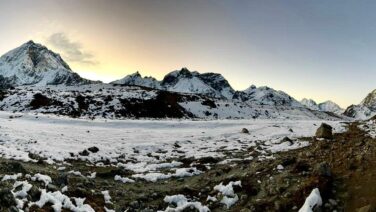
Book the best Everest Base Camp trek for 2025. Enjoy guaranteed departures, expert guides, and stunning views from Kala Patthar. All-inclusive & secure. Book now!...
Everest Region, Nepal
1-30 People
Duration
14 Days
$999
Next Departures
April 15, 2026 (30 Seats Available)April 25, 2026 (30 Seats Available)May 15, 2026 (30 Seats Available)
15% Off



Group Discounts Available
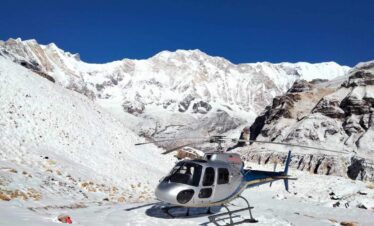
Experience the Everest Base Camp trek with helicopter return – the perfect blend of adventure, comfort, and breathtaking Himalayan views in just 8 days. Know...
Everest Region, Nepal
1-12 People
Duration
9 Days
From $3,400
$2,900
You save $500
Next Departures
April 5, 2026 (Available)April 6, 2026 (Available)April 7, 2026 (Available)

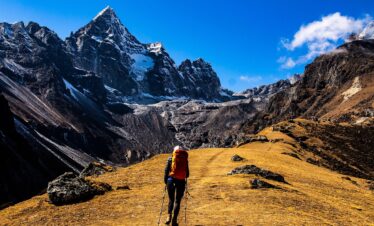

Group Discounts Available
Map
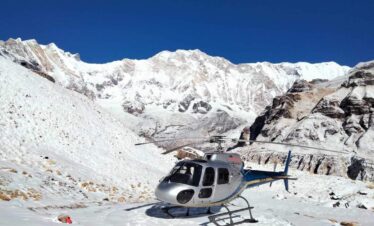
Soar above the Himalayas, A Once-in-a-Lifetime Everest Helicopter Tour! '
Everest Region, Kathmandu
1 Person
Duration
1 Day
$1,350
Next Departures
April 1, 2026 (Available)April 2, 2026 (Available)April 3, 2026 (Available)
5% Off




Group Discounts Available
Map
Experience the Ultimate Mountain Flight Over the Majestic Everest Range Check Video Experience here:
Duration
4 Hours
From $240
$228
You save $12
Next Departures
April 1, 2026 (Available)April 2, 2026 (Available)April 3, 2026 (Available)
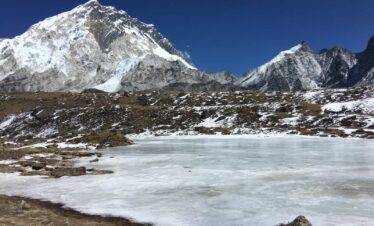
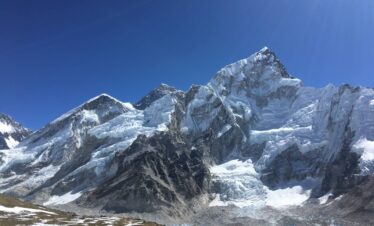

Group Discounts Available
Map
Explore Kathmandu’s iconic sites and soar over Everest on a 2-day tour. Perfect for a quick yet unforgettable Nepal adventure. Book now!
Everest Region, Kathmandu, Nepal
Easy
Duration
4 Days
$1,950
Next Departures
March 31, 2026 (Available)April 1, 2026 (Available)April 2, 2026 (Available)
10% Off

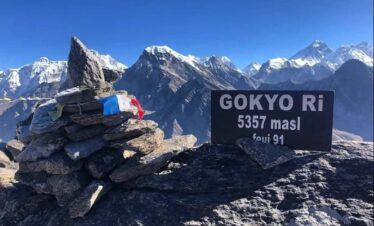

Group Discounts Available
Map
Duration
13 Days
From $1,280
$1,150
You save $130
Next Departures
April 2, 2026 (Available)April 3, 2026 (Available)April 4, 2026 (Available)
8% Off

Group Discounts Available
Map
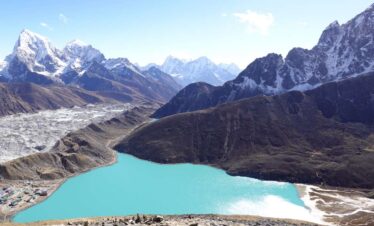
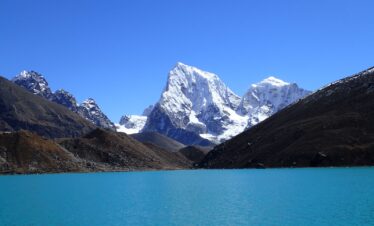
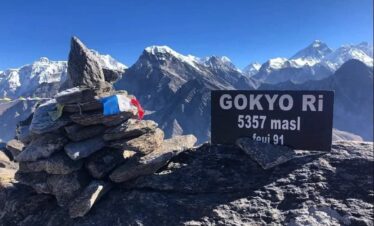
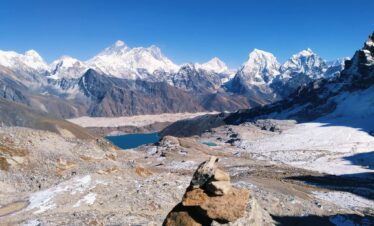
Explore the Everest Base Camp via Gokyo Lakes, combining stunning glacial lakes, panoramic mountain views, and a thrilling high-altitude adventure. Explore More Trekking Packages in...
Duration
17 Days
From $1,190
$1,090
You save $100
Next Departures
April 6, 2026 (Available)April 7, 2026 (Available)April 8, 2026 (Available)