Experience the Everest Base Camp Trek with Helicopter Return — the perfect blend of adventure, comfort, and breathtaking Himalayan views in just 10 days.
Trip Facts
-
4 Star Hotel and Best Lodges in Trekking (Twin Sharing)
-
Fully Guided
-
5545 Meters
-
BB Plan and BLD in Trekking
-
5-6 Hours
-
Provided
-
Provided
-
15
-
75
-
1 - 12
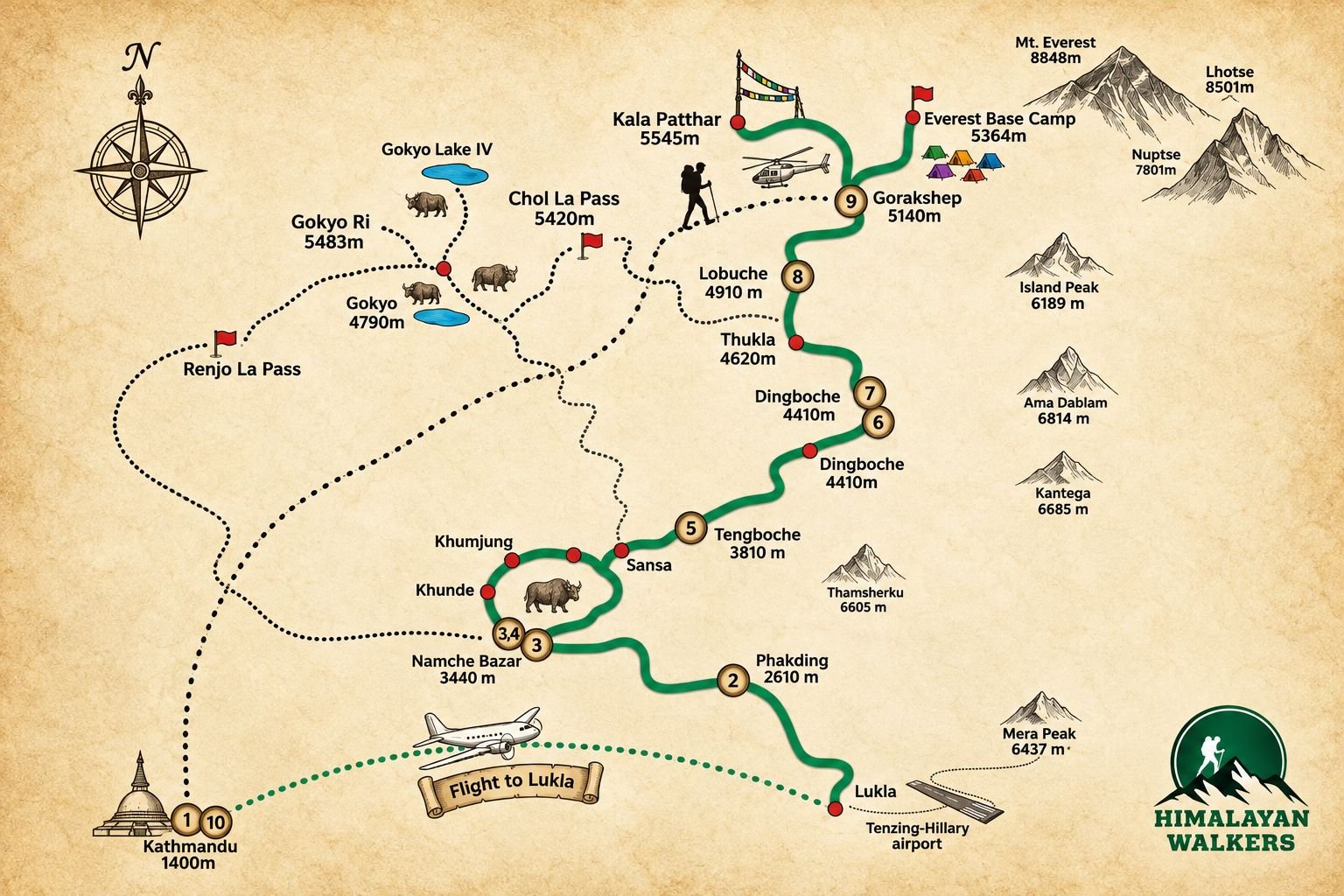
Start Point: Kathmandu (or Ramechhap/Manthali in peak seasons) → Lukla
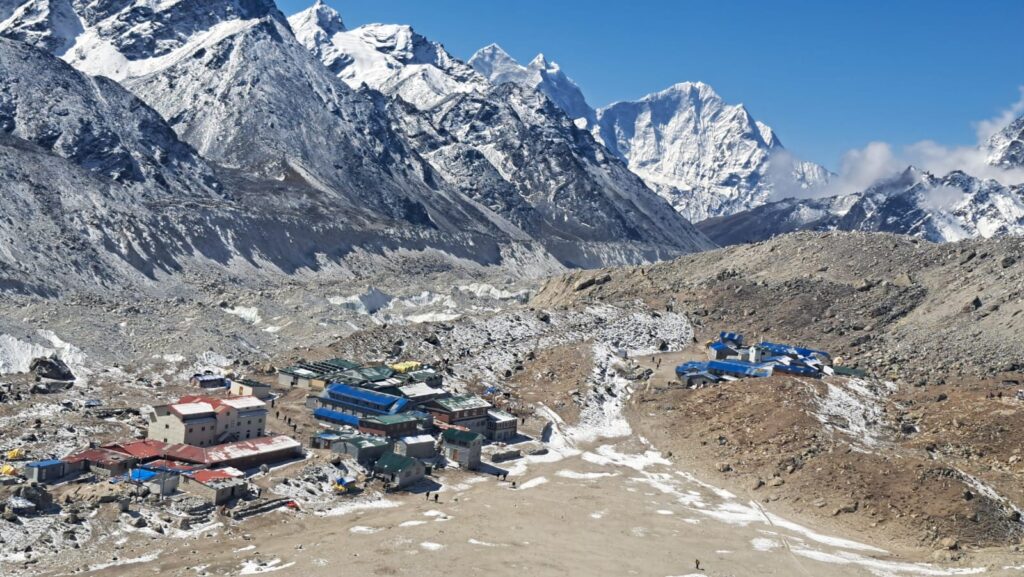
End Point: Gorak Shep → Direct Helicopter Flight to Kathmandu
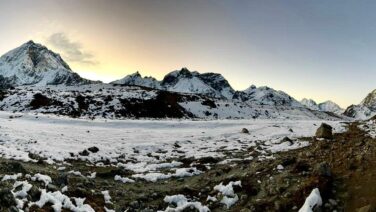
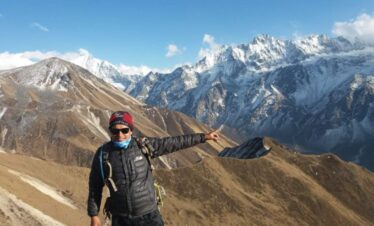
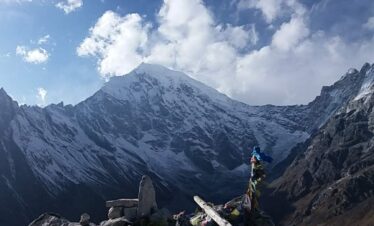
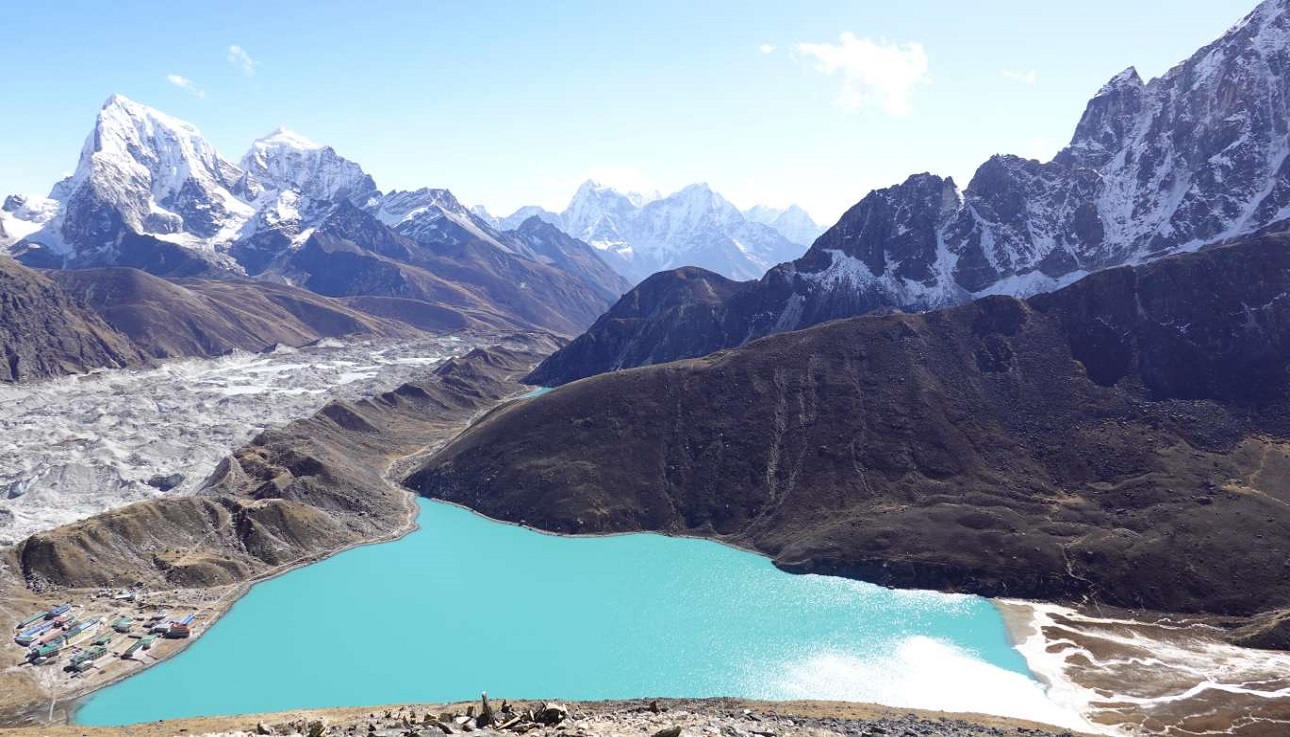
At 5,364 meters, standing on the Khumbu Glacier with the Icefall rising ahead and prayer flags snapping in the thin wind, most trekkers describe the same feeling — disbelief that their own legs carried them there.
That part of the journey never changes, no matter how you get home. What has changed, for a growing number of travelers, is what comes next.
The old way down from Everest Base Camp is a two-to-three-day retreat along the same trail, past the same villages, over the same suspension bridges you crossed a week earlier — beautiful the first time, familiar the second.
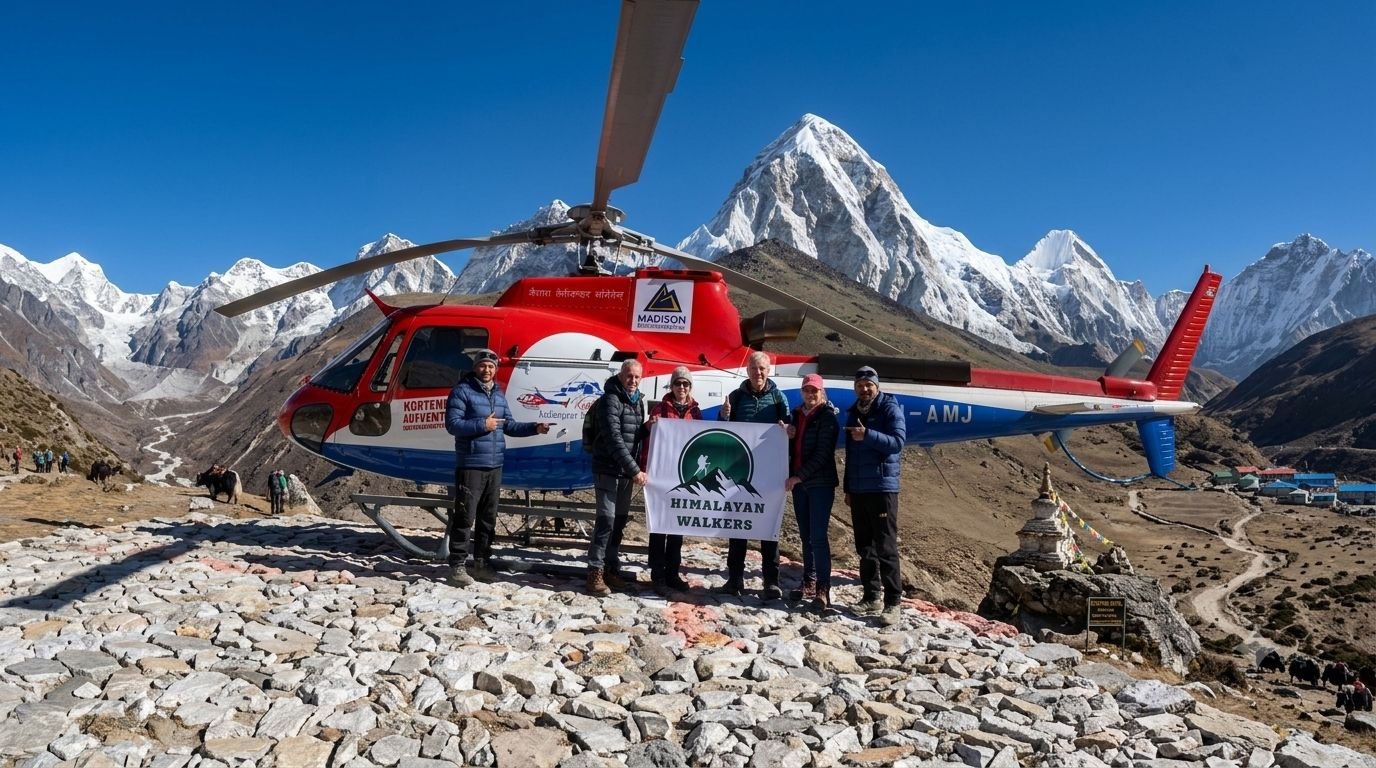
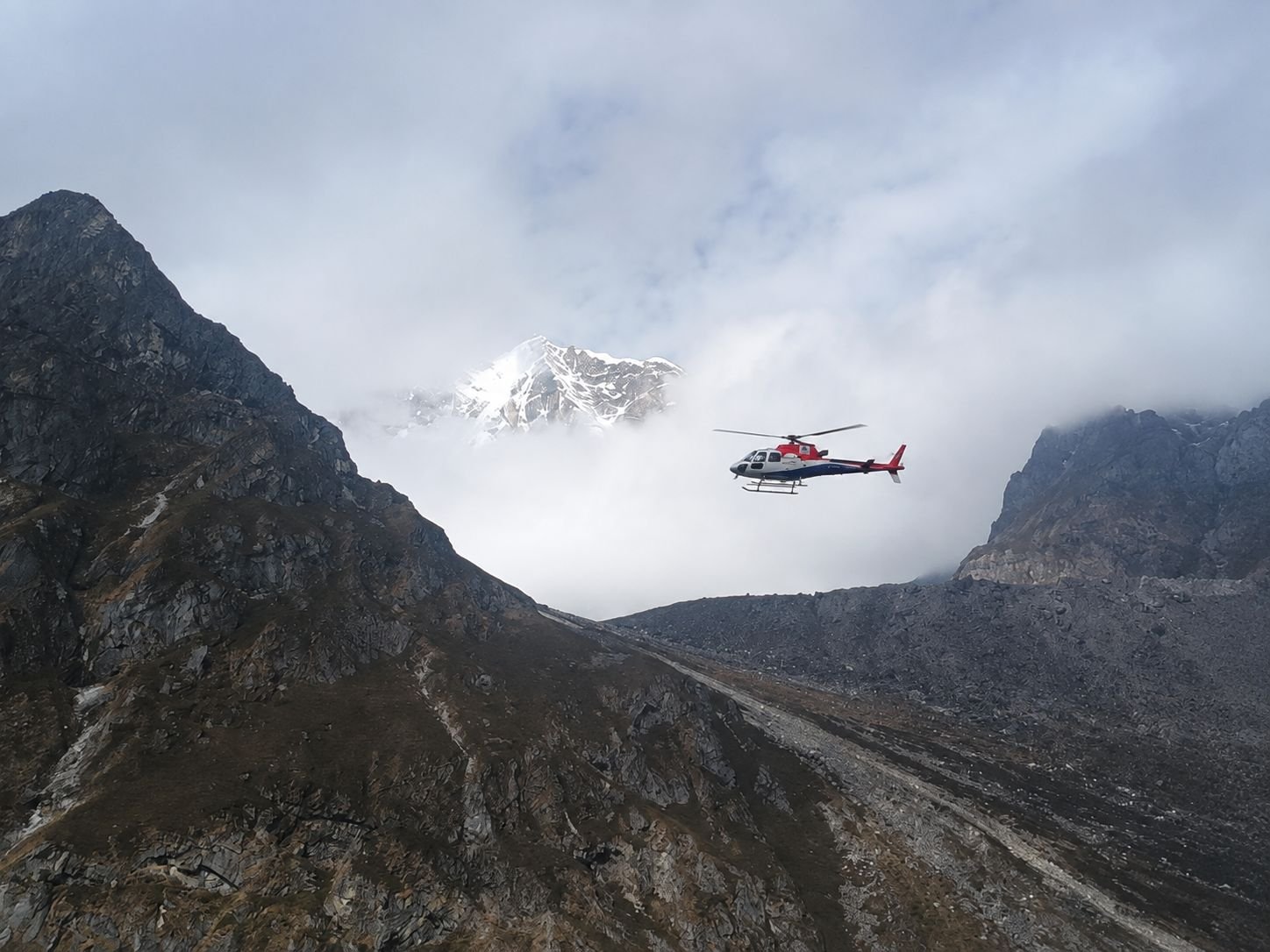
The Everest Base Camp Trek with Helicopter Return was built around a simple idea: once you’ve reached Everest Base Camp, there’s no reason the descent has to cost you days you don’t have. From Gorak Shep, a private helicopter lifts you above the very terrain you just walked, and Kathmandu is less than an hour away.
This isn’t a shortcut through the trek itself — every acclimatization day, every high-altitude push, every step to Base Camp and Kala Patthar stays exactly as demanding as it should be. It’s simply a smarter way to close the journey, trading a walk you’ve already done for a view you’ll never forget.

Know More About Everest Region from Nepal Tourism Board
Why Choose Everest Base Camp Trek with Helicopter Return ?
A standard Everest Base Camp trek runs anywhere from 12 to 14 days, and if you look closely at that timeline, roughly a third of it is spent walking back down the exact trail you just climbed. The Everest Base Camp Trek with Helicopter Return does away with that entirely.
From Gorak Shep, sitting at 5,140 meters, you fly rather than walk — trading days of descent for minutes in the air, and catching sight of the Khumbu Glacier, Lobuche, Tengboche, and Namche Bazaar from an angle almost no trekker ever gets to see.
So why? Its because:
- Saves 3 to 4 Days of Hard Descent: Avoid the pounding on knees and joints caused by walking 65 kilometers downhill over steep, rocky trails.
- No Compromise on Safety or Acclimatization: Unlike rushed 7-day or 8-day itineraries that skip vital rest stops, our 10-day schedule keeps full acclimatization days to minimize the risk of Acute Mountain Sickness (AMS).
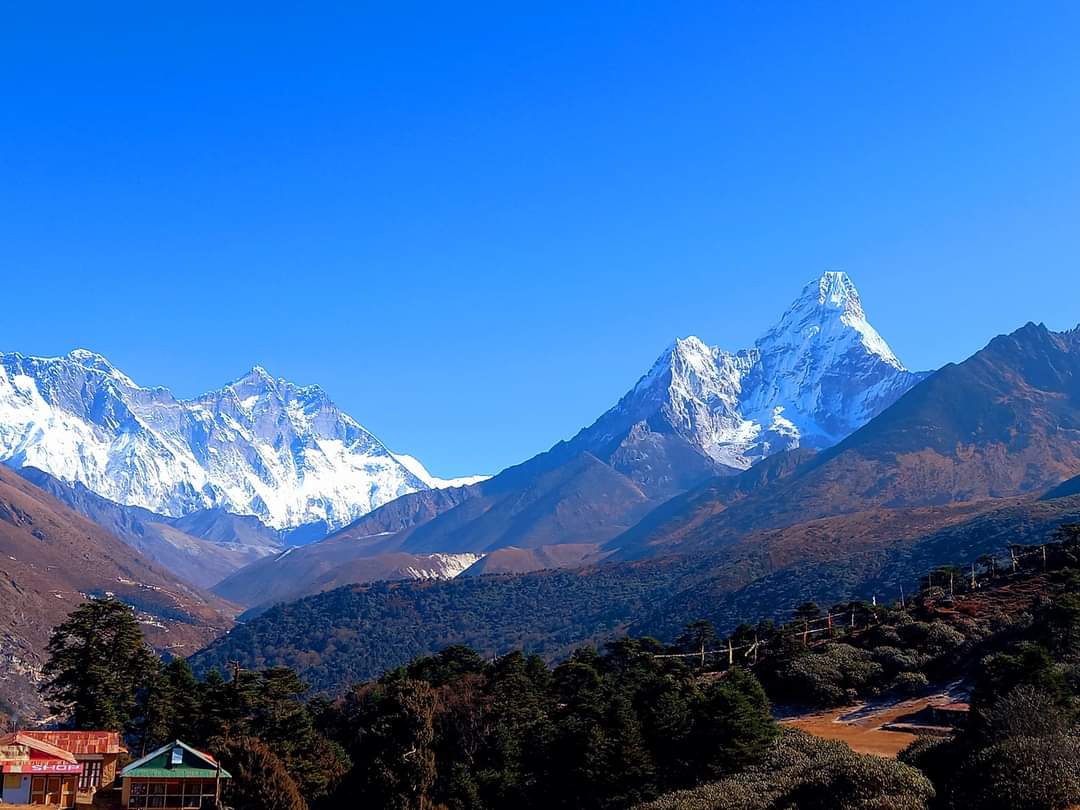
- Spectacular Aerial Perspective: Experience a bird’s-eye view of Everest, Lhotse, Nuptse, Ama Dablam, and Thamserku—an aerial perspective that classic walking trekkers never get to see.
- Ideal for Busy Schedules: Perfect for adventure seekers with limited vacation leave who want the authentic trek without spending extra days on the return.
It’s worth being clear about what this isn’t, too. A full Everest Base Camp Helicopter Tour is a same-day round trip with no trekking involved at all — you never touch the trail.
This Everest Base Camp Trekking with Helicopter Return is a different thing entirely: you still walk every step to Base Camp and Kala Patthar under your own power. The helicopter only takes over on the way back down — never on the way up.
Everest Base Camp Trek vs. EBC Helicopter Tour vs. Everest Base Camp Trek with Helicopter Return
| Feature | Classic EBC Trek | EBC Trek with Heli Return | 1-Day Everest Heli Tour |
|---|---|---|---|
| Total Duration | 14 Days | 10 Days | 4 to 5 Hours |
| Trekking Required | Full trek both ways (130 km) | Trek up only (~65 km); Fly down | None (Flight only) |
| Physical Effort | High endurance needed | Moderate to Strenuous | Easy / No hiking |
| Max Elevation | 5,545 m (Kala Patthar) | 5,545 m (Kala Patthar) | 5,545 m (Flyover/Kala Patthar stop) |
| Starting Cost | ~$1,350 – $1,650 per person | ~$3,200 per person (All-inclusive) | ~$1,250 – $1,450 per person |
| Best Suited For | Trekkers with 2+ weeks | Adventurers wanting full trek + luxury finish | Travelers with only 1 day in Nepal |
Best Time for the Everest Base Camp Trek with Helicopter Return
There are really only two windows of the year when the weather cooperates enough for this trek — both for the walking itself and for the helicopter flight, which turns out to be even more sensitive to weather than the fixed-wing flights into Lukla.
Spring (March–May): the rhododendron forests along the lower trail come into full bloom, and the daytime temperatures make for genuinely pleasant trekking. It’s also peak climbing season on Everest itself, so expect Base Camp to be lively and full of fellow travelers.
Autumn (September–November): this is when the air is at its clearest all year, which means the best odds of a picture-perfect Kala Patthar sunrise and a smooth, scenic flight home.
A lot of trekkers end up favoring this season specifically for the Everest Base Camp Trek with Helicopter Return, since having reliable flying weather matters even more here than it would on a standard walking-only trek.
One season to steer clear of: the June–August monsoon. Low cloud cover rolls in often enough to delay or cancel helicopter flights outright, and the trail conditions on the ground take a real hit too.
Trek Difficulty and Fitness Requirements
This one sits in the moderate-to-strenuous range, and it’s worth understanding why: the difficulty here comes far more from altitude than from the terrain itself.
You won’t need any technical climbing skills or prior mountaineering experience to take this on, but showing up with a decent cardiovascular base makes a genuine difference — a couple of months of regular hiking, stair climbing, or running beforehand will pay off on the trail.
Most days involve 5 to 6 hours of walking over uneven, rocky ground, and the two acclimatization days aren’t there by accident — they exist because thin air, not distance covered, is what actually tests you at this elevation.
Here’s the thing worth knowing about how this itinerary is built: the usual 12–14 day schedule gets trimmed down to 10 days by cutting the walk back down, not by rushing the acclimatization schedule. So the pace of the climb up to Everest Base Camp stays exactly the same as it would on a standard trek — nothing about getting there is sped up.
The time savings only kick in on the return, after the hard part is already done. That’s what makes the Everest Base Camp Trek with Helicopter Return a genuinely achievable goal for most reasonably fit trekkers, regardless of age. The minimum age is 15, and there’s no real upper limit either, so long as anyone with a pre-existing health condition gets a doctor’s clearance first.
Guides, Porters, and Safety on the Trail
Every departure of this trek is led by a government-licensed, English-speaking guide with years of experience on the Everest Base Camp route, supported by porters who carry the bulk of your gear so you can focus on the walking itself — typically one porter for every two trekkers.
Guides carry a comprehensive first aid kit and an oxygen cylinder for emergencies, and are trained to recognize the early signs of altitude sickness well before they become serious.
Daily monitoring, a conservative acclimatization schedule, and clear communication about how you’re feeling at altitude are the real safety net on any high-altitude trek, more so than any single piece of equipment.
If a helicopter evacuation ever becomes necessary due to illness or injury, your guide coordinates it directly — which is also why comprehensive travel insurance covering high-altitude rescue is a non-negotiable part of preparing for the Everest Base Camp Trek with Helicopter Return.
Helicopter Logistics: High-Altitude Shuttle & Baggage Rules
Operating helicopters at an elevation of 5,140 meters (16,863 feet) requires strict adherence to aviation weight limits:
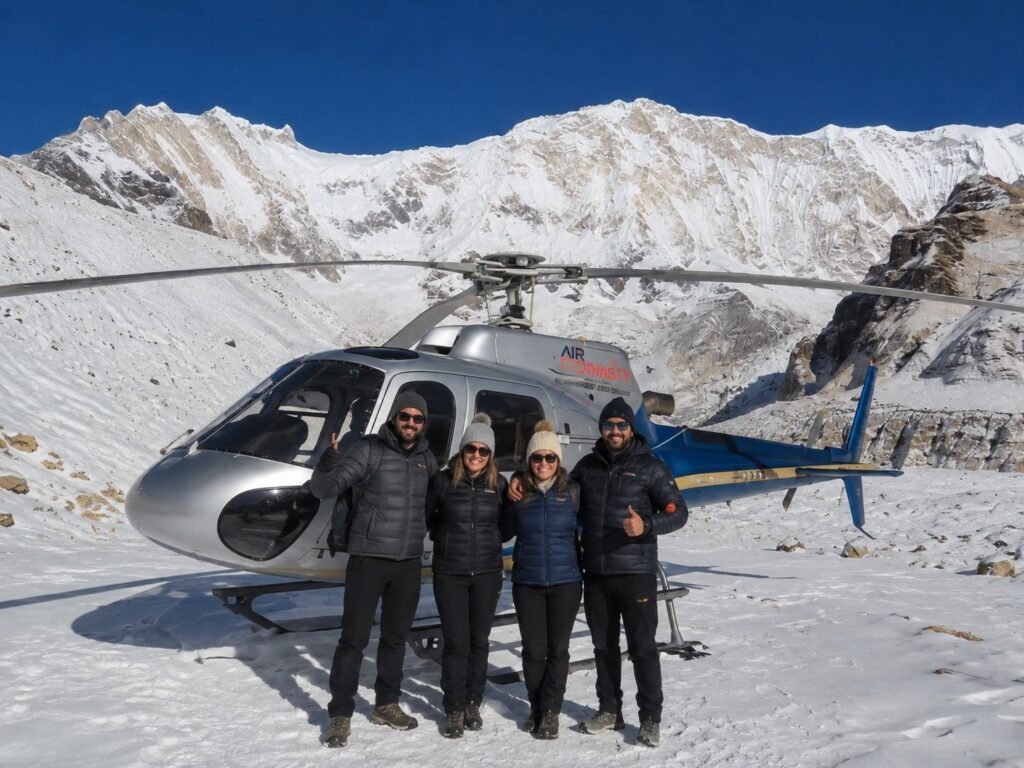
- Air Density & Take-off Limits: Because the air at Gorak Shep is thin, aviation regulations limit the take-off payload of Airbus H125 / B3e helicopters to approximately 220–250 kg (equivalent to 2–3 passengers).
- The Shuttle Procedure: For groups of 4 to 5 passengers, the pilot conducts a quick 10-minute shuttle down to Pheriche (4,240 m) or Lukla (2,840 m) with the first 2–3 trekkers, then returns immediately for the remaining members. Once the full group is reunited at the lower altitude, the helicopter refuels and flies together back to Kathmandu.
- Strict Luggage Allowance: 15 kg (33 lbs) total per trekker (10 kg for your main duffel bag carried by porters + 5 kg for your personal daypack). Extra city clothing and suitcases can be stored securely and free of charge in our Kathmandu office store.
Seasonal Flight Notice: Kathmandu vs. Ramechhap (Manthali) Airport
Spring Peak (March to May) & Autumn Peak (October to November): To minimize air traffic delays at Kathmandu International Airport, the Civil Aviation Authority of Nepal (CAAN) operates all scheduled fixed-wing Lukla flights from Manthali Airport in Ramechhap. We arrange private road transportation from Kathmandu to Ramechhap (~4–5 hours drive, departing around 1:00 AM) to connect with your morning flight to Lukla.
- Monsoon & Winter: Flights typically depart directly from Kathmandu Domestic Airport.
- Note: Upgrading to a direct helicopter flight from Kathmandu to Lukla is available upon request.
Group Size and Departures
Groups on the Everest Base Camp Trek with Helicopter Return stay small, usually somewhere between 1 and 12 trekkers, which keeps things flexible on the trail and means your guide can actually pay attention to how each person is handling the altitude, rather than managing a crowd.
If you’re heading out on your own, you’re more than welcome — you’ll simply be grouped with other travelers on the same departure date. That grouping matters most for the helicopter leg specifically: as a solo trekker, your return flight from Gorak Shep to Kathmandu will typically be combined with other trekkers in the same fleet, since a helicopter charter is priced and filled as a group.
If you’d rather have the whole flight to yourself, that’s entirely possible too — you’d simply cover the cost of the full charter rather than splitting it. And if you’d prefer company throughout the whole trip rather than just the flight, private departures can also be arranged for families or small groups who want full control over their own schedule.
Fixed departures for this Everest Base Camp Trekking with Helicopter Return itinerary run throughout spring and autumn, the two seasons when conditions are most reliable, and there’s usually some room to adjust the exact start date to fit your plans.
Because the helicopter leg adds an extra layer of weather dependency, it’s worth booking a few weeks ahead of time — and building in a spare day or two in Kathmandu toward the end of the trip, just in case. That little bit of buffer is really what stands between a smooth trip and a stressful scramble.
If none of the fixed dates line up with your schedule, custom departures are also an option — especially useful if you’re working around a tight window of annual leave or a connecting flight with no room for delay.
In that case, it’s worth having an honest conversation with your guide or booking coordinator about your full travel window upfront, so the itinerary can be planned with enough breathing room to absorb a weather delay on either the Lukla flight or the helicopter return, without throwing off the rest of the trip.
Estimated Out-of-Pocket Trail Budget
Local teahouses operate on solar and generator power, charging small supplemental fees for modern amenities. We recommend carrying approximately $250 to $350 USD equivalent in Nepali Rupees (NPR) in cash from Kathmandu:
| Item / Service | Typical Cost on Trail | Notes |
|---|---|---|
| Hot Shower (Gas/Solar) | $4 to $6 per shower | Available up to Dingboche; bucket hot water at Gorak Shep. |
| Device Charging | $3 to $5 per device | Charged per phone/camera battery. A 20,000mAh power bank saves money. |
| Wi-Fi Cards (Everest Link) | $5 to $10 for 10 GB | Ncell/eSIM works to Tengboche; Everest Link cards operate above Dingboche. |
| Boiled Drinking Water | $2 to $4 per liter | Using reusable bottles with water purification drops/tablets reduces cost. |
| Hot Tea / Coffee / Snacks | $2 to $4 per cup | Specialty coffees, bakery treats, and candy bars cost more at higher elevations. |
Final Thoughts
The Everest Base Camp Trek with Helicopter Return isn’t a shortcut. Every step to Base Camp is still earned on foot, with the same acclimatization safeguards as any well-run EBC itinerary. What it removes is the part of the trip that adds the least: walking back down a trail you’ve already seen, at the cost of days you could spend elsewhere.
For trekkers with limited time, or anyone who wants their final memory of the Himalayas to be an aerial one, this Everest Base Camp Trekking with Helicopter Return is built for exactly that — and it remains one of the most requested versions of the Everest Base Camp Trek with Helicopter Return itinerary among travelers booking with Himalayan Walkers.
EBC Trek with Heli Return: An Overview
Every year, thousands of trekkers make their way to Everest Base Camp, and almost all of them turn around afterward and walk right back the way they came. The Everest Base Camp Trek with Helicopter Return breaks that pattern.
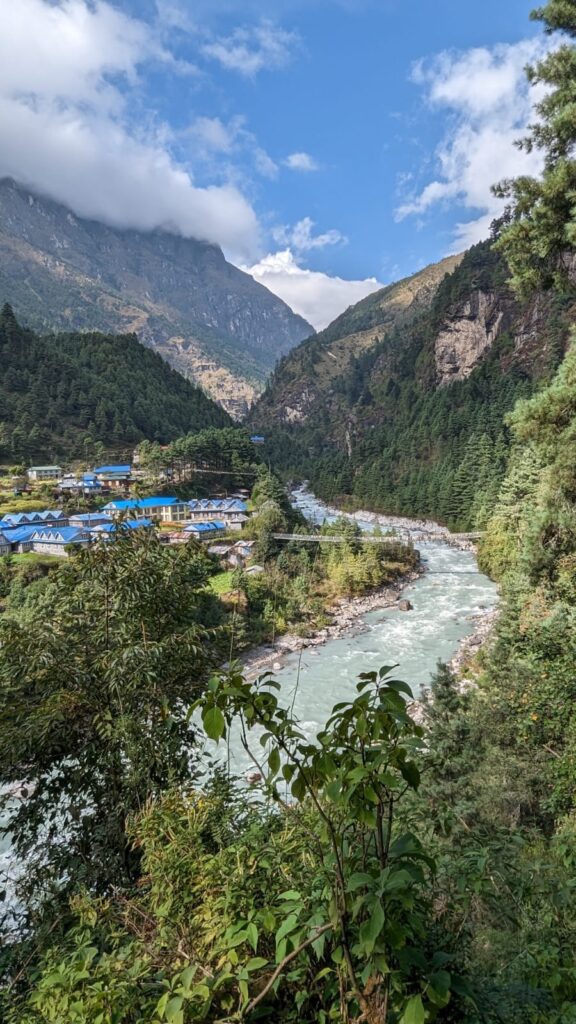
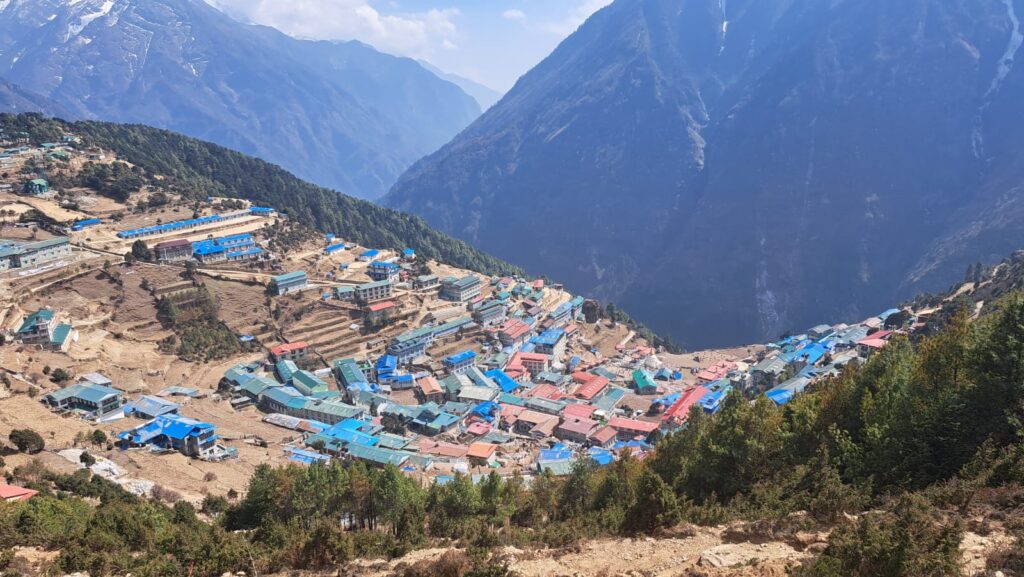
Nothing about the climb up is shortened — you still take the flight into Lukla, cross the same swaying suspension bridges over the Dudh Koshi River, spend your acclimatization days in Namche Bazaar and Dingboche, and make the final, breathless push across the Khumbu Glacier to 5,364 meters. It’s the way back that’s different.
Rather than spending two or three more days retracing that same trail on foot, you climb aboard a helicopter at Gorak Shep and are back in Kathmandu in under an hour — watching, from the air, the entire route it took you the better part of a week to walk.
What makes this Everest Base Camp Trekking with Helicopter Return itinerary work isn’t just the time saved — it’s what it doesn’t sacrifice to save it. The classic 12–14 day trek gets compressed into 7 days, and not a single acclimatization day is cut to make that happen.
That distinction is worth pausing on, because it’s exactly where a lot of “shorter” Everest itineraries go wrong: skip the rest days built in for your body to adjust, and you’re gambling with altitude sickness. This Everest Base Camp Trek with Helicopter Return doesn’t take that gamble.
It simply removes the one part of the trip that was always redundant anyway — walking back down a trail you’d already seen.
For anyone working with limited vacation time, this Everest Heli Trek often isn’t a luxury option so much as the only realistic way to make the trip happen at all. And for everyone else, it’s just a better use of the trip’s final days — better spent looking down at the Himalayas from a helicopter window than trudging back over familiar ground on tired legs.
Call it an Everest Base Camp Heli Trek, call it an EBC Helicopter Return — either way, you’re getting the same achievement, on a schedule that actually fits real life.
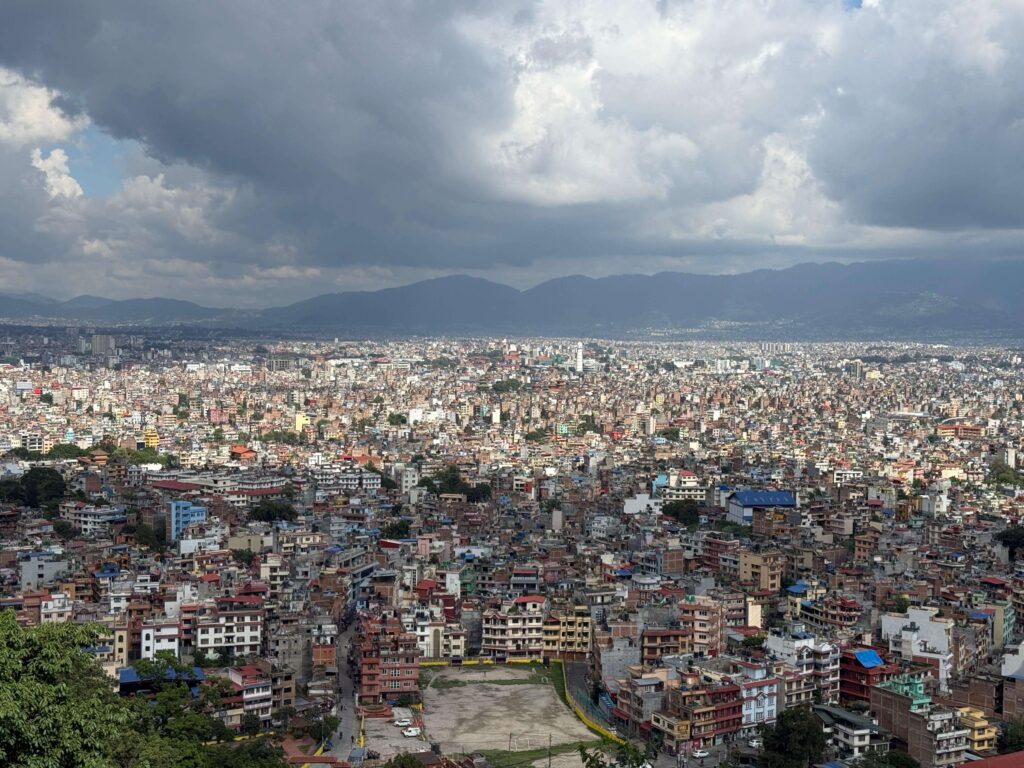
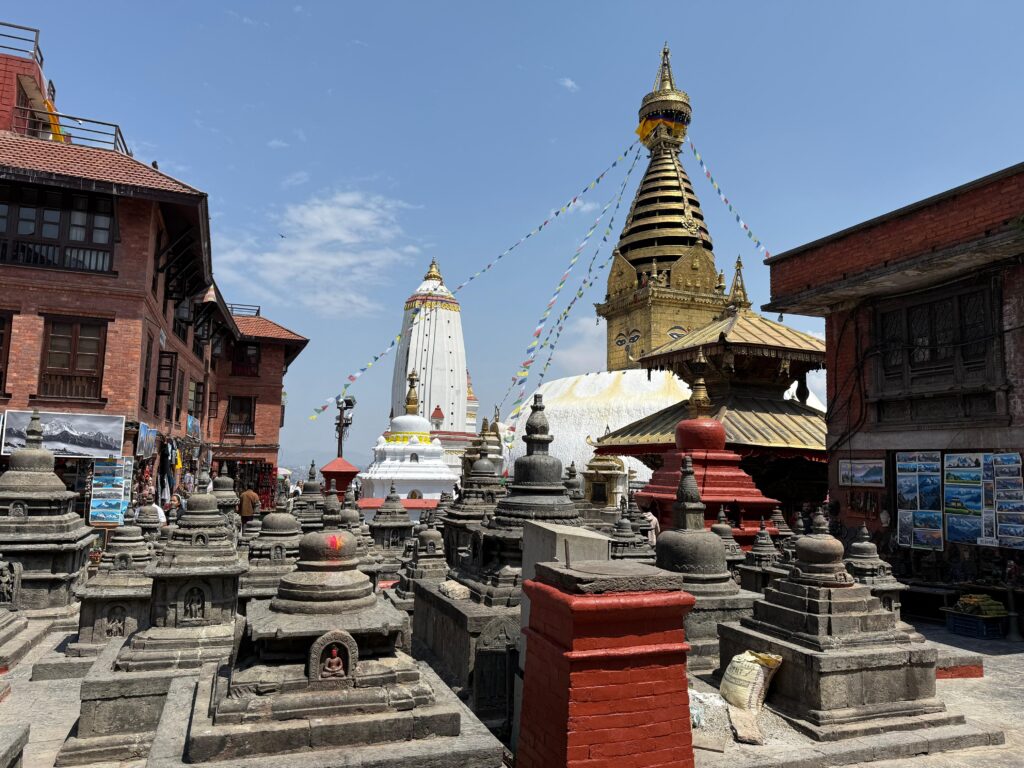
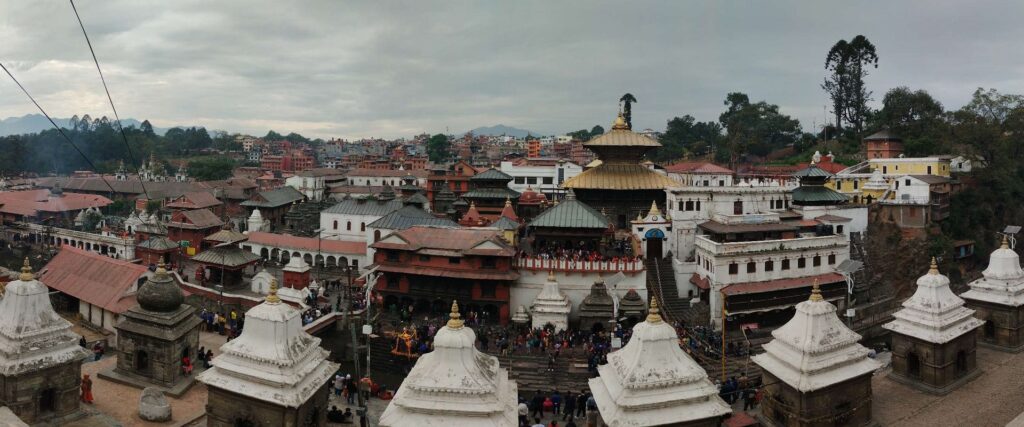
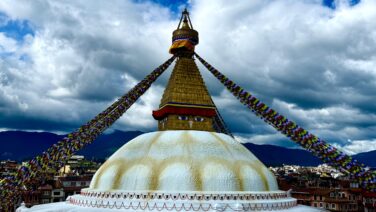
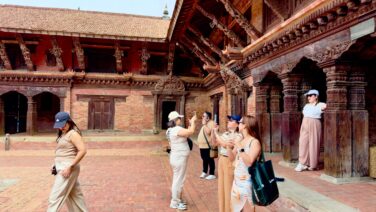
There’s also more to this trip than the summit push, even if that’s what draws most people to it. Two nights in Kathmandu bookend the trek with a guided heritage tour through the city’s UNESCO World Heritage Sites, so the experience isn’t only about elevation gained and photos taken at altitude — it’s a genuine introduction to Nepal.
From the temple courtyards of the capital to the glaciers of the high Himalaya, before you head home with a few days still left rather than a long walk hanging over the end of your trip.
What Are the Highlights of this Trip?
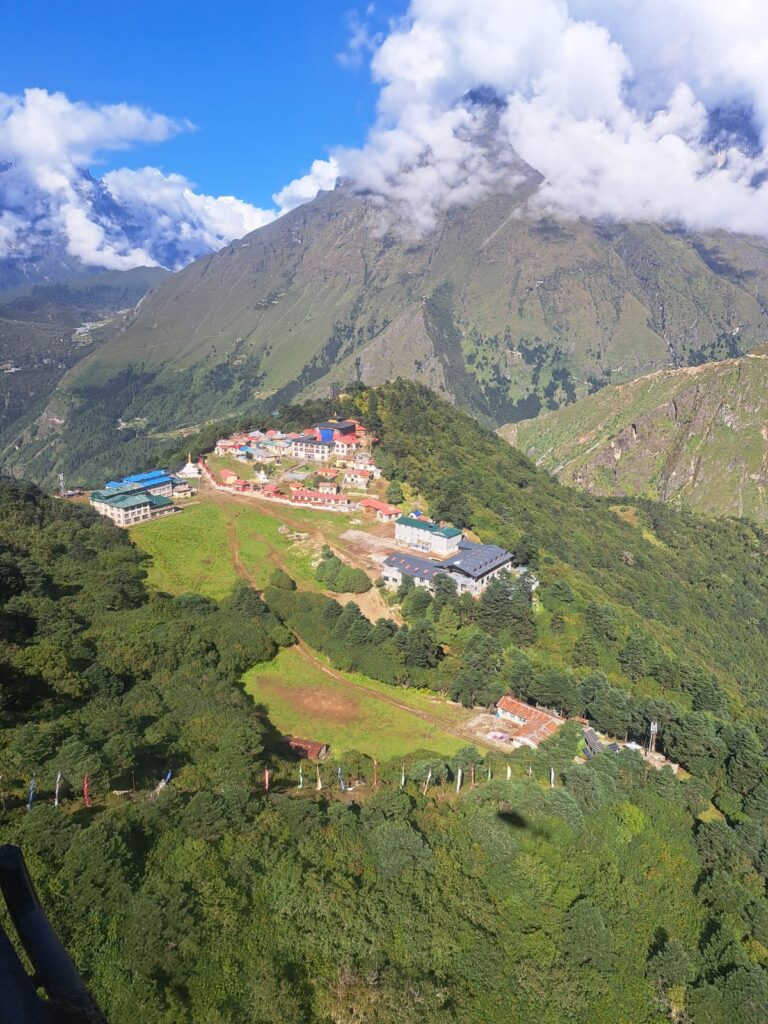
- Trek through Sherpa villages and Buddhist monasteries
- Witness Mt. Everest (8,848m) up close from Base Camp and Kala Patthar
- Luxury helicopter return from Gorakshep to Kathmandu
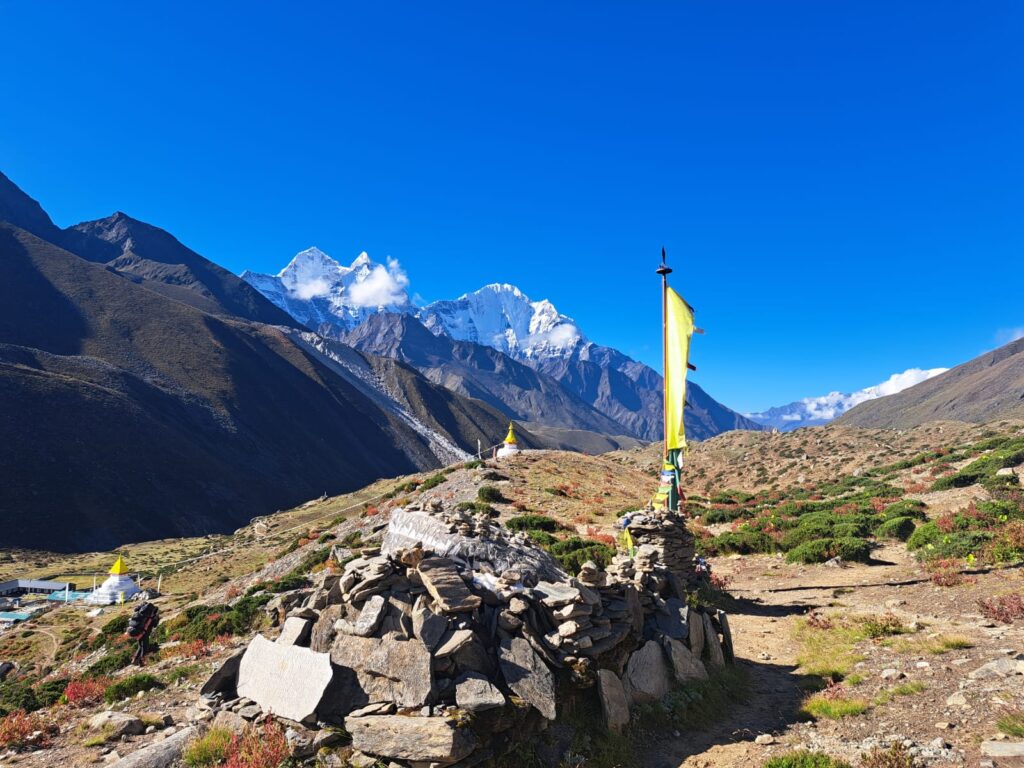
- Panoramic views of Everest, Lhotse, Nuptse, and Ama Dablam
- Acclimatization days in Namche and Dingboche