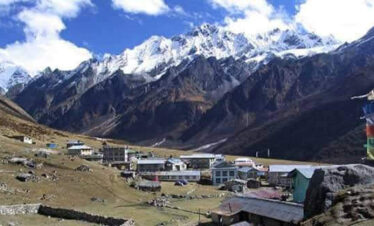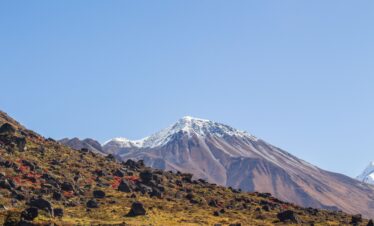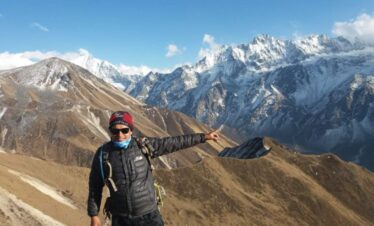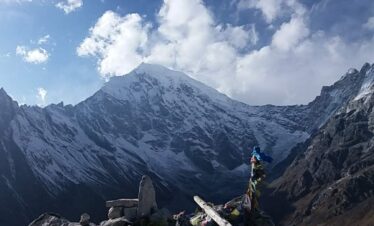
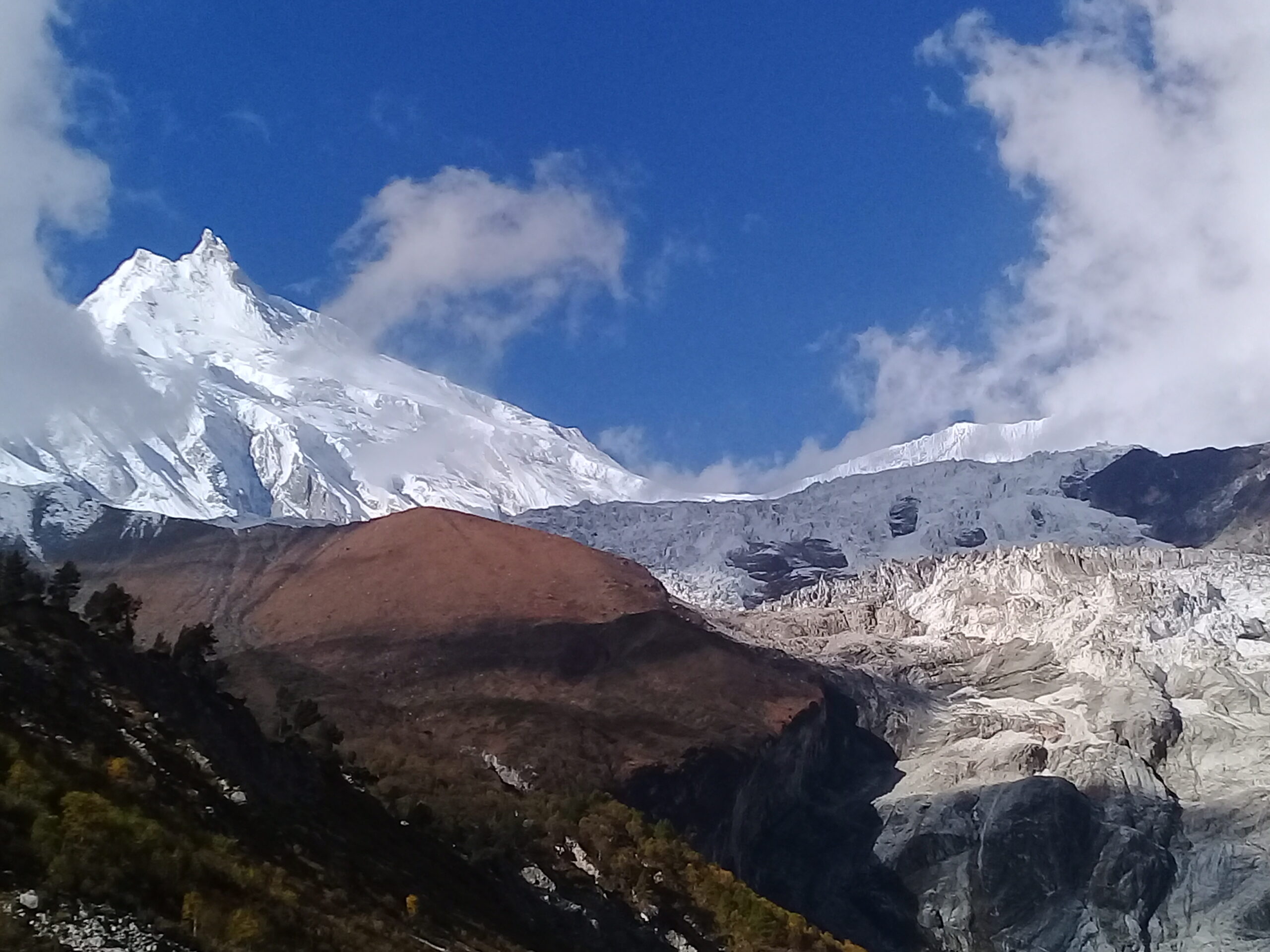

The Manaslu Tsum Valley Trek Nepal is one of the most rewarding exploratory treks in the entire Himalaya — a journey that circles Mt. Manaslu (8,163m), the eighth-highest mountain on Earth, while venturing into the hidden Tsum Valley, a region only opened to outside trekkers in the 1990s.
Much of this route remains genuinely unexplored by mainstream trekking traffic, offering a rare sense of discovery increasingly hard to find elsewhere in Nepal.
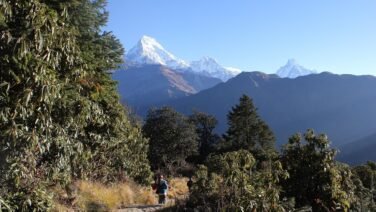
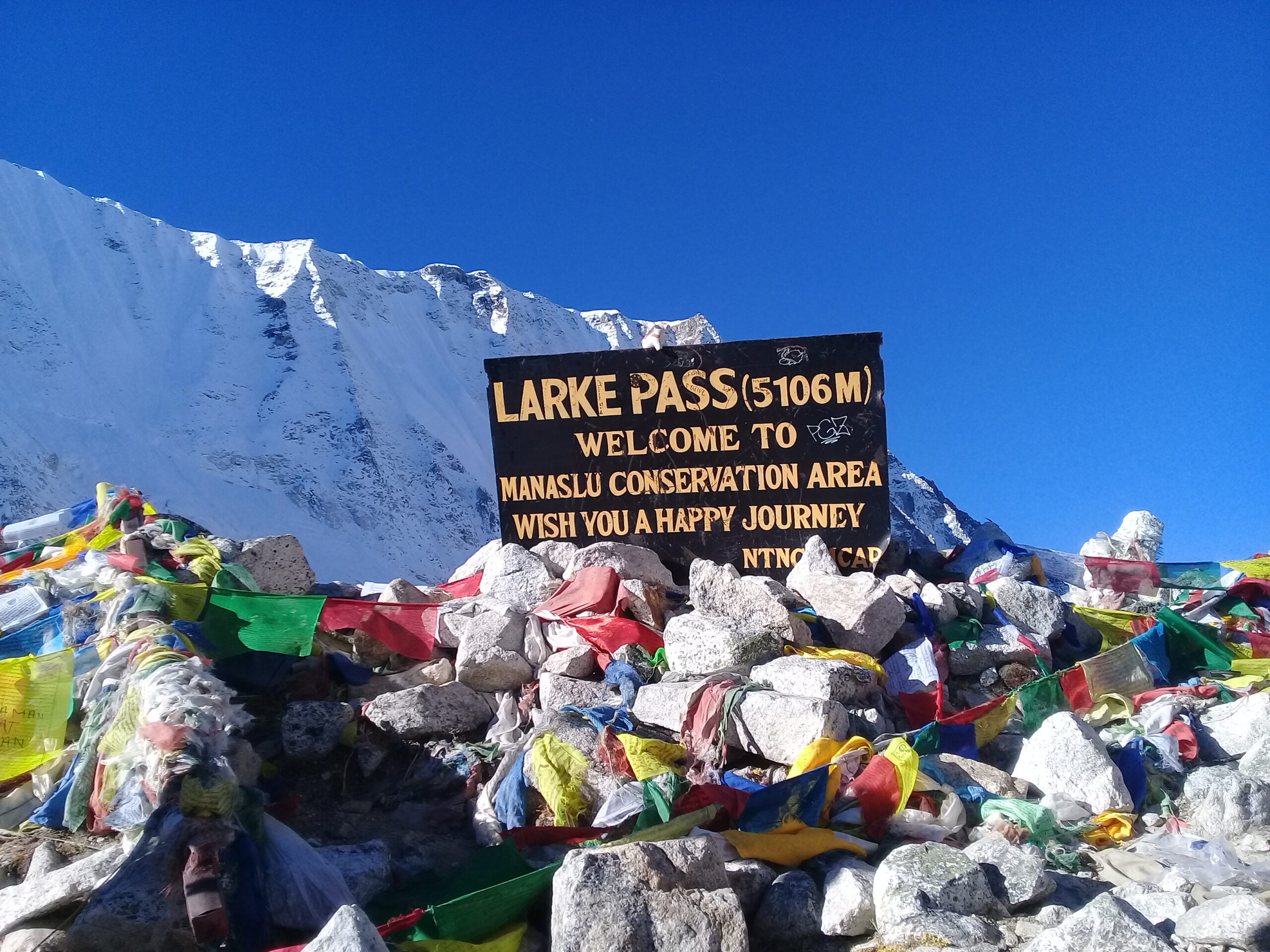
This is a 22-day teahouse trek, demanding but deeply rewarding, with an average of 6–7 hours of walking daily. It calls for a solid level of fitness, but rewards that effort with dramatic mountain scenery, terraced hillsides, deep river gorges, and the trek’s defining challenge: the high-altitude crossing of Larkya La Pass (5,106m).
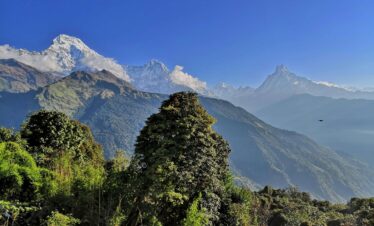
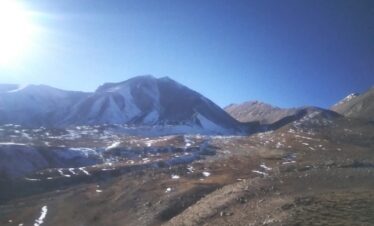
The journey begins along the Budhi Gandaki River, climbing steadily through subtropical forest and traditional villages before reaching Mu Gompa (3,700m), where panoramic views of Ganesh Himal, Shringi Himal, and Boudha Himal unfold. From here, the trail eventually crosses Larkya La — the trek’s highest point — before descending into the Annapurna region on the other side.
What sets this trek apart from the standard Manaslu Circuit is its detour into the Tsum Valley, a remote region where culture, landscape, and daily life remain closely tied to Tibet.
The trail runs close enough to the Tibetan border that encounters with Buddhist monks and nuns are common, and a side trip to the sacred Milarepa Cave — where the 11th-century yogi is said to have meditated for years — adds real spiritual depth to the journey.
Along the way, keep an eye out for the Danphe, Nepal’s vividly colored national bird, alongside dramatic icefalls, frozen lakes, and constantly shifting terrain.
The trip begins with a scenic overland journey from Kathmandu to Machha Khola via Gorkha, tracing the Budhi Gandaki River upstream toward its Himalayan source.
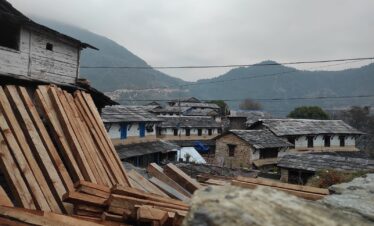
From there, the trail winds through remote settlements and cultural centers — Deng, Namrung, Lho, Samagaun, Samdo, and Dharmashala — each offering a different glimpse into Nepal’s mountain communities, before the trek’s high point at Larkya La and the long, satisfying descent back toward civilization.
Trip Info
-
3/4/5 Star or Similar Category
-
Autumn/Spring
-
Available
-
5106 Meters
-
BB Plan in KTM, BLD Plan during Trekking days
-
Luxury Car, Bus
-
5-6 Hours
-
16
-
70
-
2 - 20

General Highlights of Manaslu Tsum Valley Trek Nepal
- Circle Mt. Manaslu (8,163m): The world’s eighth-highest mountain, with close-up views throughout the trek’s second half.
- Larkya La Pass (5,106m): The trek’s highest and most demanding crossing, rewarding trekkers with views of Himlung, Kangaru, and Annapurna II.
- Hidden Tsum Valley: A restricted, Tibetan-influenced valley only opened to trekkers in recent decades, home to ancient monasteries and ties to the yogi Milarepa.
- Mu Gompa and the Tibetan Border: A remote monastery near the Tibetan frontier, with views of seasonal yak pastures and the Lungdang Glacier.
- Manaslu Base Camp Excursion: A side trip from Samagaun to Manaslu Base Camp, with views of Birendra Lake and the Manaslu Glacier.
- Diverse, Untouched Ecosystems: From subtropical river valleys to high alpine terrain, home to the national bird Danphe (Lophophorus) among other Himalayan wildlife.
- Hindu-Buddhist Cultural Blend: Traditional villages throughout the route reflect a rich mingling of both traditions.
Permits and Regulations
The Manaslu Tsum Valley Trek passes through a restricted area, requiring several permits arranged in advance: the Manaslu Restricted Area Permit (RAP), the Manaslu Conservation Area Permit (MCAP), and the Annapurna Conservation Area Permit (ACAP), since the route exits through the Annapurna region near Dharapani.
A minimum of two trekkers is required to obtain the restricted area permit, and a licensed guide is mandatory throughout — independent trekking isn’t permitted on this route. Himalayan Walkers handles all permit arrangements ahead of the trek, so there’s nothing for you to manage independently.
Best Time to Trek
Spring (March to May) and autumn (September to November) offer the most stable weather and clearest mountain visibility, making them the ideal windows for this trek.
Spring brings blooming rhododendrons to the lower forested sections, while autumn typically delivers the sharpest, most reliable views at higher altitude — particularly valuable when crossing Larkya La.
Winter is generally avoided due to heavy snowfall at the pass, and the monsoon season brings landslide risk and limited visibility throughout the lower valley.
Difficulty and Fitness
This trek is rated as hard, and it’s not a route to underestimate. Long trekking days averaging 6–7 hours, sustained high altitude, and the demanding crossing of Larkya La Pass make solid physical fitness and prior high-altitude trekking experience genuinely important here.
The itinerary includes built-in acclimatization time, but trekkers should still arrive prepared, both physically and mentally, for a longer and more remote commitment than routes like Everest Base Camp or Annapurna Base Camp.
Accommodation and Food
Teahouses and basic lodges line the route throughout, offering simple but comfortable accommodation with hearty mountain meals — dal bhat, noodle soups, and hot beverages are reliable staples throughout the trek.
In the more remote stretches through Tsum Valley and near Mu Gompa, facilities are simpler still, reflecting the genuine remoteness of the region compared to more commercialized trekking routes elsewhere in Nepal.
Who This Trek Suits
This itinerary is best suited to experienced trekkers seeking a longer, more remote Himalayan expedition than Nepal’s more popular circuits.
It appeals strongly to travelers drawn to cultural depth — the Tsum Valley’s Tibetan Buddhist heritage offers something genuinely distinct from the Sherpa culture found on Everest-region treks — as well as those chasing serious high-altitude achievement via Larkya La.
Given its length, remoteness, and physical demands, it’s less suited to first-time trekkers, but a strong choice for anyone who has completed a shorter Himalayan trek and is ready for something more ambitious.
Overview
Most Himalayan treks show you one thing exceptionally well — a single peak, a single culture, a single high pass. The Manaslu Tsum Valley Trek Nepal is different: it’s really two treks woven into one.
Circle the eighth-highest mountain on Earth on one side of the loop, then step into a valley so remote it stayed closed to outsiders until the late 1990s, where daily life still moves to a rhythm shaped more by Lhasa than Kathmandu. Few trekkers ever see both in a single journey — and fewer still forget it.
Key Trip Highlights
- Circle Mt. Manaslu, eighth highest Mountain in the world.
- Famous Larke La pass (5106m)
- Beautiful mingling of Hinduism and Himalayan Buddhism
- Diversified untouched ecosystems of the trail
- Naturally beautiful valleys, ridges and traditional settlements
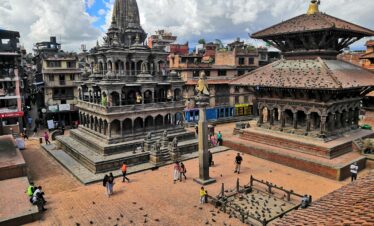
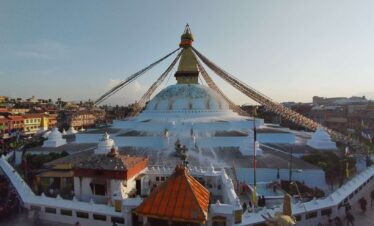
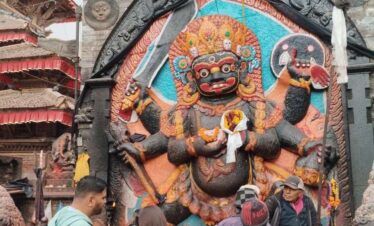
- Exploring historical, cultural and religious aspects of centuries old civilization in Kathmandu, a guided city tour
- The most magnificent hidden treasure of the trail, Tsum valley