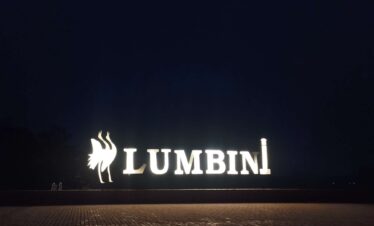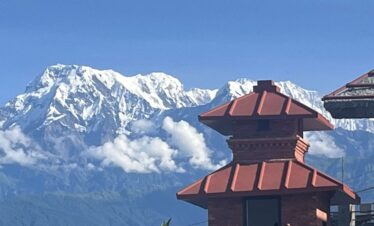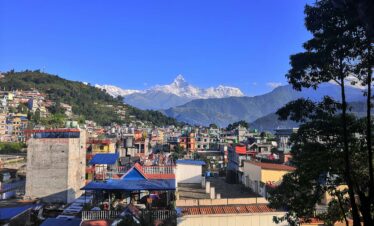


Explore Lumbini, Bodhgaya, Sarnath, and Kusinara—key sites in Buddha’s life—on a sacred Buddha Circuit tour. Book your spiritual journey now!
Trip Info
-
3/4/5 Star or Similar Category Hotel
-
September-May
-
Available
-
BB Plan
-
Bus, Car, Flight
-
8
-
70
-
2 - 20

The Buddha Circuit Tour: A Journey Through Four Sacred Sites
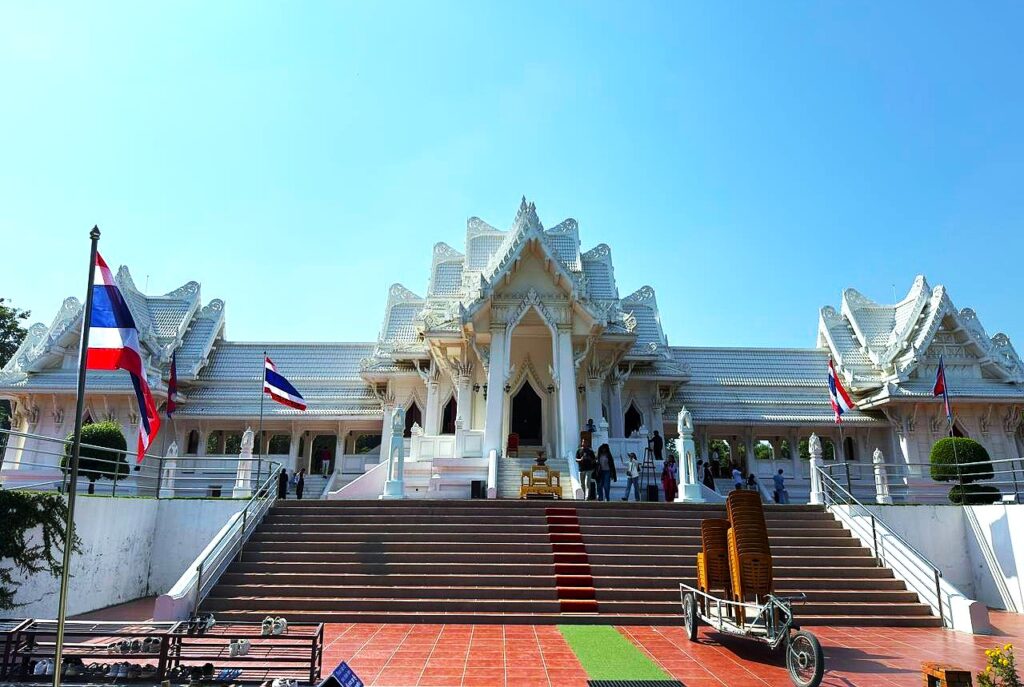
The Buddha Circuit Tour takes pilgrims and travelers through the four most sacred sites in Buddhism: Lumbini, where Siddhartha Gautama was born; Bodhgaya, where he attained enlightenment; Sarnath, where he delivered his first sermon; and Kushinagar, where he passed into Mahaparinirvana.
Starting in Kathmandu rather than India, this 12-day pilgrimage lets you begin your journey at the Buddha’s birthplace itself, tracing his life from prince to teacher across Nepal and India in one continuous route.
From Birth to Enlightenment
Buddhism, the world’s fourth-largest religion, traces back to Siddhartha Gautama, a prince born in ancient Kapilvastu in the 6th century BCE. After renouncing his royal life to understand human suffering, he attained enlightenment under the Bodhi tree and spent the rest of his life teaching the Dharma.
The Buddha himself identified four places as central to his story — and this Buddha Circuit Tour from Kathmandu visits all four in sequence.
Lumbini, in modern-day Nepal, marks his birthplace — the Mayadevi Temple and Ashoka Pillar sit within a sacred garden that draws pilgrims from around the world. Bodhgaya, in India’s Bihar state, is where he reached enlightenment beneath the Bodhi tree; the Mahabodhi Temple here is a UNESCO World Heritage Site.
Sarnath, near Varanasi, is where he delivered his first sermon — the “First Turning of the Wheel of Dharma” — marked today by the Dhamek Stupa. Kushinagar, in Uttar Pradesh, is where he attained Mahaparinirvana at age 80, commemorated by a reclining Buddha statue at the Mahaparinirvana Temple.
Beyond these four core sites, this Buddhist pilgrimage tour of Nepal and India also includes Kathmandu’s own Buddhist heritage — Swayambhunath, Boudhanath, and Patan — along with Namo Buddha, Nalanda, and Rajgir, adding historical and cultural depth to the spiritual journey.
Why choose this Buddha Circuit Tour:
- Begin at the Buddha’s birthplace in Nepal, rather than starting in India like most circuit tours
- Visit all four principal Buddhist pilgrimage sites in one 12-day journey
- Combine sacred sites with genuine historical depth — Nalanda’s ancient university, Rajgir’s teaching grounds, and the Jataka tale behind Namo Buddha
- Suitable for devout Buddhists, spiritual seekers, and history enthusiasts alike
- Guided throughout with English-speaking guides, private transport, and comfortable accommodation
Key Highlights
- Visit major Buddhist stupas of Kathmandu, centers of Buddhism, Swoyambhunath & Bouddha
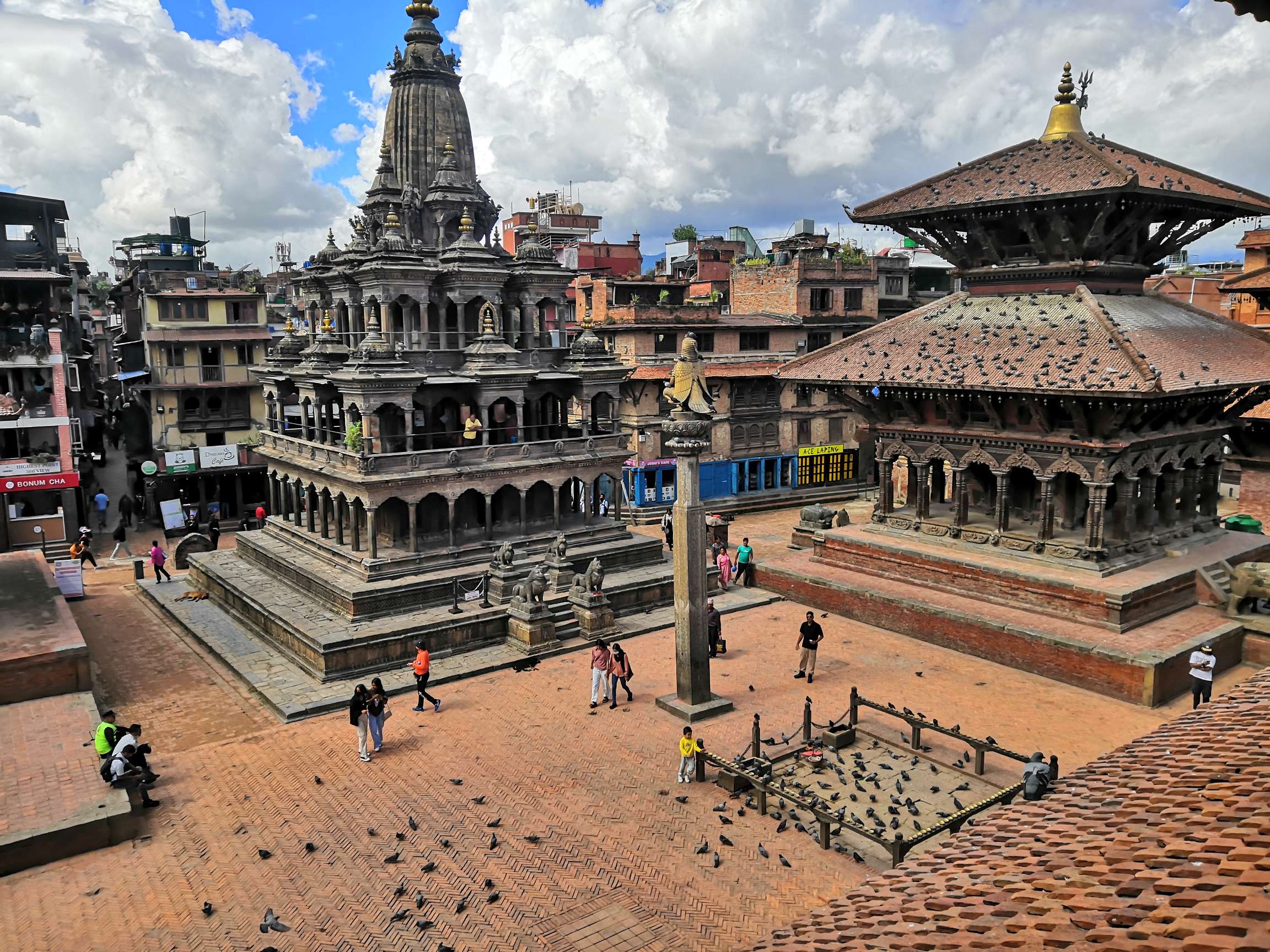
- Explore Patan durbar square, its historicity, amazing architecture & folklores
- Visit four major must visit sacred place in Buddhism: Lumbini, Bodhgaya, Sarnath, Kushinagar
- Visit Namobuddha, the place where Buddha had attained perfection in giving in his previous birth.
- Cross border trip between Indian and Nepal
- Monks, Monasteries, people and their culture
Brief Itinerary
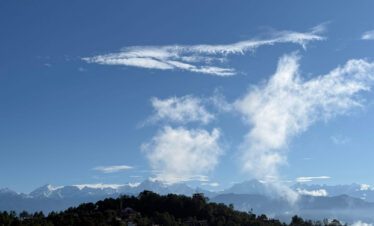
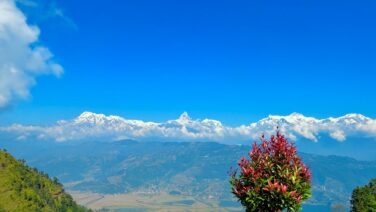
Your Buddha Circuit Tour begins the moment you land in Kathmandu — stunning Himalayan views on descent set the tone for the sacred journey ahead. You’ll touch down at Tribhuvan International Airport (TIA), at 1,350m altitude. Nepal’s entry visa can be arranged in advance or on arrival, with on-site processing taking up to 45 minutes depending on the queue. Full details are on the official Department of Immigration website.
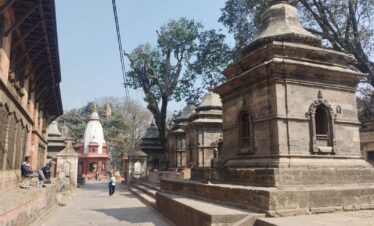
Once you exit the airport, our representative will greet you with a placard and a traditional Tibetan scarf, a gesture of blessing fitting for the pilgrimage ahead, before driving you to your hotel in Thamel — about 30 minutes away, passing Pashupatinath Temple along the way, one of the many sacred sites you’ll encounter on this journey.
After settling in, you’ll have time to rest before a trip briefing covering the days ahead — Kathmandu’s Buddhist heritage sites first, then the road to Lumbini, Bodhgaya, Sarnath, and Kushinagar. The evening closes with a welcome dinner, an appropriate first taste of Nepali hospitality before your Buddha Circuit Tour truly begins.
Your Buddha Circuit Tour formally begins today with Kathmandu’s own Buddhist heritage — a fitting warm-up before you reach the four principal sites of the Buddha’s life.
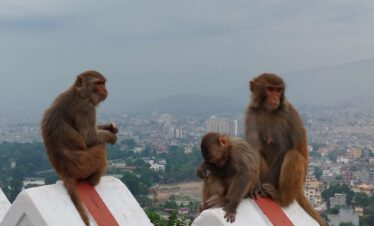
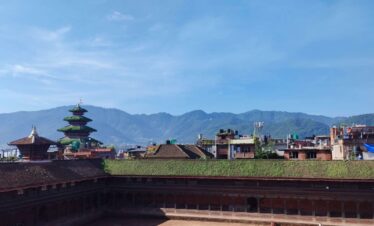
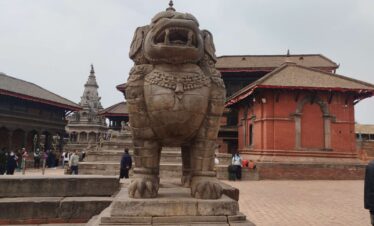
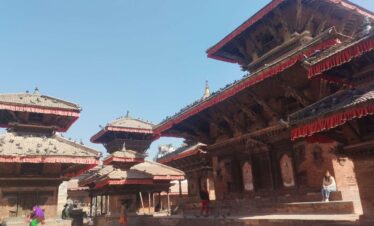
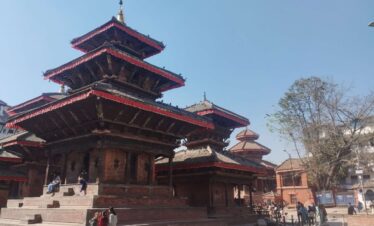
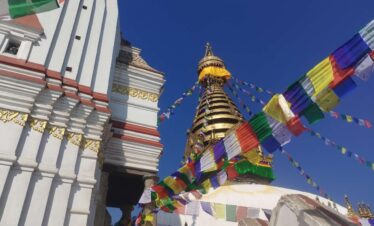
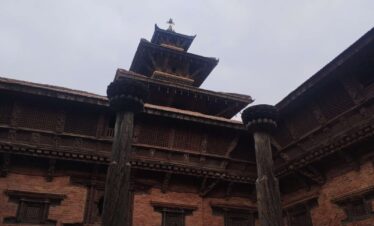
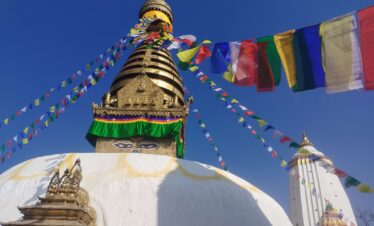
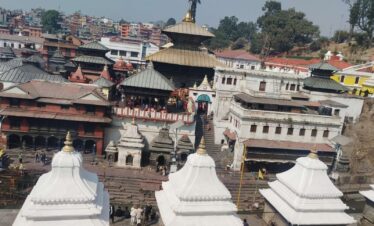
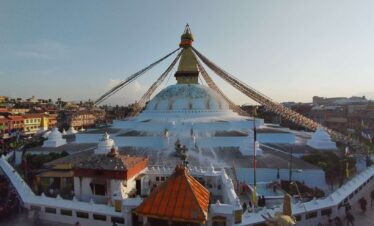
Nepal, and Kathmandu in particular, has been a center of Buddhist practice for centuries, and today covers three of its most significant sites: Swayambhunath, the hilltop “Monkey Temple” and one of the oldest religious sites in Nepal; Boudhanath Stupa, the largest Tibetan Buddhist site outside Tibet, believed to hold a relic of Kasyapa Buddha; and Patan, a medieval city of Newari architecture and Buddhist monuments including the Golden Temple.
These sites offer a preview of the deeper pilgrimage ahead — the same devotion, symbolism, and centuries of practice you’ll encounter again at Lumbini, Bodhgaya, Sarnath, and Kushinagar.
After breakfast, your Buddha Circuit Tour continues with a scenic drive to Kavre District, home to Namo Buddha — a site of deep historical, spiritual, and religious significance, and a must-visit for pilgrims on this journey.
The Spiritual Essence of Namo Buddha
In Buddhist teachings, a Bodhisattva is someone who cultivates Bodhichitta — the altruistic wish to attain enlightenment for the benefit of all beings. A Bodhisattva progresses through ten perfections on the path to Buddhahood: Giving (Dana), Morality (Sila), Endurance (Kshanti), Effort (Virya), Concentration (Dhyana), Wisdom (Prajna), Method (Upaya), Aspiration (Pranidhana), Power (Bala), and Knowledge (Jnana).
Namo Buddha is tied specifically to the first of these — the Perfection of Giving.
The Legend of Namo Buddha
After attaining enlightenment, the Buddha traveled widely, including to Gandhamadan Parvat — present-day Namo Buddha. Here, he grew deeply meditative and nostalgic. When his disciples asked why, he shared a story from a previous life.
According to the Jataka text Divyavadana, the Buddha — then Prince Mahasattva — encountered a starving tigress and her cubs. Moved by compassion, he offered his own body to feed them, an act regarded as one of Buddhist literature’s ultimate expressions of selfless giving.
Why Is It Called Namo Buddha?
After telling this story, the Buddha bowed (naman) in reverence at the site — an act of devotion that gave Namo Buddha its name, meaning “Homage to the Buddha.” Today, it remains a powerful reminder of his teachings on compassion and generosity.
What to Expect During Your Visit
- Spiritual atmosphere: a tranquil setting suited to meditation and reflection
- Historical insight: ancient stupas and monuments commemorating Prince Mahasattva’s story
- Scenic beauty: sweeping hill and valley views that add to the site’s spiritual quality
Why Visit Namo Buddha
Namo Buddha is where history, spirituality, and nature meet — a chance to deepen your understanding of the Bodhisattva path and the ten perfections, reflect on the Buddha’s teachings of compassion, and take in the serene energy of one of Buddhism’s most sacred sites. A visit here is both an honor to the Buddha’s legacy and a meaningful step in your own Buddha Circuit Tour.
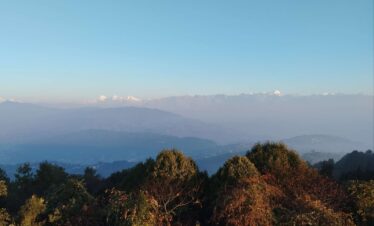
After breakfast, you’ll fly from Kathmandu to Gautam Buddha International Airport — a short 30-minute flight, but a scenic one, with sweeping Himalayan views to your right for most of the journey. This leg of your Buddha Circuit Tour brings you to the birthplace of the Buddha himself. After freshening up at the hotel, you’ll head out to explore Lumbini.
Lumbini: Birthplace of the Buddha
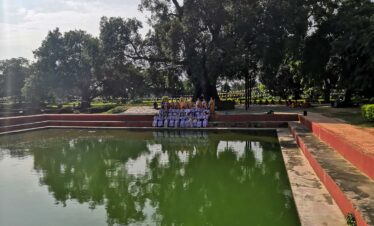
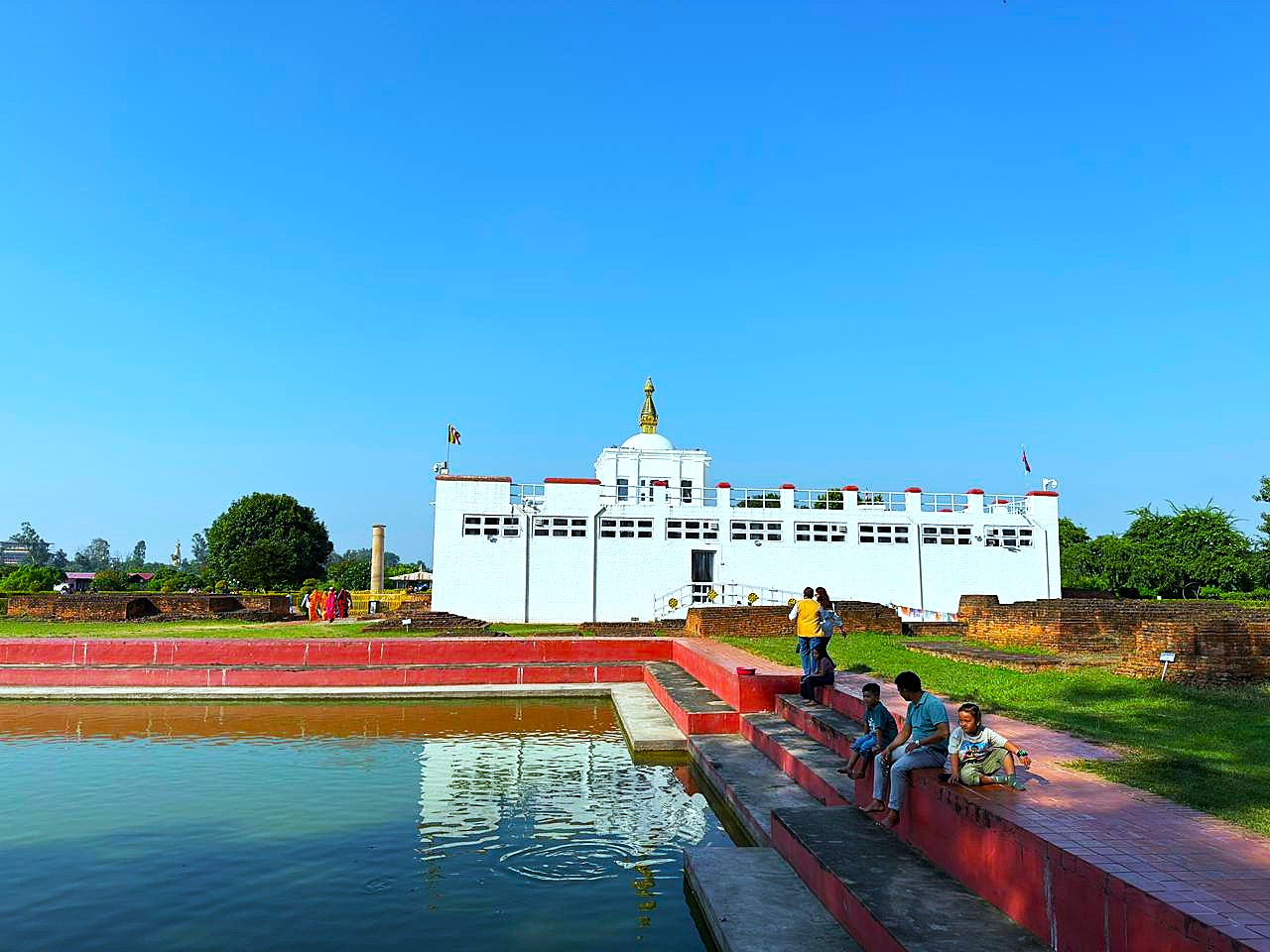
Lumbini is one of Buddhism’s four principal pilgrimage sites, and also holds meaning for Hindus, who regard Buddha as an incarnation of Vishnu. A UNESCO World Heritage Site, Lumbini holds ancient monasteries, a sacred Bodhi tree, a bathing pond, the Ashoka Pillar, and the Maya Devi Temple — Nepal’s most significant Buddhist temple, marking the exact spot of Buddha’s birth.
Inside, a viewing area looks down into the excavated birth site, alongside a faded nativity carving. A protective whitewashed structure now shelters the older temple beneath it.
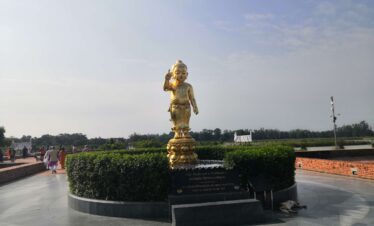
According to tradition, Buddha was born while Queen Maya Devi traveled to her father’s kingdom, and legend holds his birth was painless — that he spoke immediately and took seven steps, with a lotus blooming at each one.
Buddhist tradition attributes such stories to the advanced meditative powers Buddha and other realized practitioners were said to possess, rather than to supernatural miracle alone. Each year during the full moon of Baisakh (April–May), thousands of Hindu pilgrims travel here to honor Maya Devi as Rupa Devi, mother goddess of Lumbini.
Nearby, the Holy Pond marks where Maya Devi bathed before the birth, and where Buddha himself had his first bath.
The Sacred Garden and Ashoka Pillar
In the garden beside the temple stands the Ashoka Pillar, Nepal’s oldest monument of its kind. Erected in the 3rd century BCE by Emperor Ashoka, who visited the site himself after converting to Buddhism, it was raised as a mark of respect for the Buddha.
In both Buddhist and Hindu tradition, such pillars symbolize the axis around which the world turns — early evidence of the faith’s spread throughout the kingdom. Nearby, the sacred Bodhi tree, its heart-shaped leaves hung with colorful prayer flags, is closely tied to the tree under which Buddha reached enlightenment in India, and draws maroon and saffron-robed monks in quiet meditation.
Tilaurakot: The Sakya Palace
A short distance away, Tilaurakot marks the ruined capital of the ancient Shakya Kingdom, spanning roughly two and a half miles near Kapilvastu — the kingdom of Buddha’s father, where Siddhartha Gautama spent his first 29 years as a prince.
Set on a quiet meadow along the Banganga River, the site’s layout matches descriptions found in early Buddhist texts. At the garden’s center, the Eternal World Peace Flame burns uninterrupted day and night, symbolizing peace and marking the International Peace Year.
Beyond its spiritual weight, Lumbini also offers a genuine glimpse into village life in southern Nepal — a fitting stop on this Buddha Circuit Tour, showing how Buddhism has been preserved and its philosophy shaped since the Buddha’s own time. You’ll spend the night in Lumbini.
Today, we embark on a journey to explore some of the most spiritually and historically significant sites associated with the life of the Buddha. Our itinerary includes Koliyagram, Devdaha, and Kodan, each of which holds a unique place in Buddhist history and offers a profound connection to the Buddha’s legacy.
Koliyagram and Devdaha: The Sacred Relic Stupa
Our first stop is Koliyagram, a site of immense spiritual importance. According to Buddhist scriptures, the relic of the Buddha is believed to be preserved beneath a stupa here. This sacred site is deeply intertwined with the story of the Buddha’s astu dhatu (cremated remains) and the events that followed his Mahaparinirvana (final liberation).
Legend has it that after the Buddha’s passing, a debate arose among eight kingdoms, including Kushinagar, over who had the right to preserve his relics. To resolve the dispute, it was decided that the relics would be divided into eight portions, with each kingdom receiving one. The Koliya kingdom, who were the Buddha’s maternal relatives, built a relic stupa in their kingdom to honor his memory.
Emperor Ashoka, a great patron of Buddhism, later ordered the excavation of seven of the eight relics to create thousands of stupas across the Indian subcontinent. However, the relic in Koliyagram remained untouched, making it one of the few places where the physical presence of the Buddha can still be felt. For those seeking to connect deeply with the Buddha’s legacy, this site offers a rare opportunity to pray and experience the spiritual energy of his relics.
Kodan: The First Monastery in Nepalese Territory
Next, we visit Kodan, a place of great historical and spiritual significance. After attaining enlightenment, the Buddha spent time here with his Bhikshus (monks). Kodan holds the distinction of being the site where the first monastery in Nepalese territory was established. This monastery was built by King Shuddhodhan, the Buddha’s father, as a gesture of love and respect to welcome his enlightened son.
Kodan is not just a historical landmark; it is a testament to the deep familial bonds and the profound impact of the Buddha’s teachings. The serene environment of this site provides a perfect setting for reflection and meditation, allowing visitors to connect with the Buddha’s journey and the early days of the Sangha (monastic community).
Why Visit These Sacred Sites?
Koliyagram and Devdaha: These sites offer a rare opportunity to connect with the physical relics of the Buddha, providing a tangible link to his life and teachings. The story of the eight relics and Emperor Ashoka’s contributions adds a fascinating historical dimension to your journey.
Kodan: As the location of the first monastery in Nepal, Kodan holds a special place in Buddhist history. It allows visitors to step back in time and imagine the Buddha’s early interactions with his disciples and family.
A Journey Through Time and Spirituality
Today’s tour is more than just a visit to historical sites; it is a journey through the spiritual and cultural heritage of Buddhism. By exploring Koliyagram, Devdaha, and Kodan, you will gain a deeper understanding of the Buddha’s life, his teachings, and the enduring impact of his legacy. These sacred sites offer a unique blend of history, spirituality, and cultural richness, making them essential stops on your pilgrimage.
Whether you are a devout Buddhist, a history enthusiast, or a spiritual seeker, today’s itinerary promises to be a transformative experience. It is a chance to walk in the footsteps of the Buddha, connect with his teachings, and immerse yourself in the timeless wisdom of Buddhism.
After a hearty breakfast, your Buddha Circuit Tour continues with a long but memorable drive to Patna, crossing the Gangetic plains of Nepal and India through a landscape rich in life and culture.
Along the way, you’ll see a shifting mosaic of lifestyles, traditions, and settlement patterns — bustling towns giving way to quiet countryside, each stretch offering a glimpse into the region’s cultural fabric.
By evening, you’ll arrive in Patna and check in for an overnight stay, resting up before the sacred sites still ahead on your pilgrimage.
After an early breakfast, this leg of your Buddha Circuit Tour takes you on a scenic drive to Bodhgaya, the sacred site of the Buddha’s enlightenment. Along the way, two historically and spiritually significant stops — Nalanda and Rajgir — add real depth to the journey, connecting you to the intellectual and spiritual heritage of ancient India.
Nalanda: The Ancient Seat of Wisdom and Knowledge
Your first stop is Nalanda, a name synonymous with wisdom since ancient times. In the centuries after the Buddha, Nalanda became a global center of learning, drawing scholars, monks, and students from across the world. Nalanda University — among the oldest and most renowned universities in history — was a beacon of intellectual and spiritual excellence.
At its height, Nalanda housed thousands of students and teachers, offering courses in philosophy, medicine, astronomy, and Buddhist studies. Its vast library, known as Dharmaganja, held millions of manuscripts, making it one of history’s great repositories of knowledge. Today, its ruins stand as a testament to that legacy, offering a glimpse into the intellectual energy of ancient India.
Rajgir: A Spiritual and Historical Gem
Next comes Rajgir, a place of deep spiritual and historical weight. The Buddha favored Rajgir as a retreat, spending several rainy seasons here meditating and teaching. It’s also home to Griddhakuta Hill — Vulture’s Peak — where he delivered some of his most important discourses, including the Heart Sutra.
Rajgir’s landscape, ringed by lush hills and natural springs, adds to its spiritual pull. Historically, it served as the capital of the Magadha Kingdom during the Buddha’s lifetime. Visiting Rajgir connects you directly to both his teachings and the tranquil surroundings that shaped them.
Arrival in Bodhgaya
On arrival in Bodhgaya, you’ll check into your accommodation and spend the evening absorbing the spiritual atmosphere of this holy place. The Mahabodhi Temple, a UNESCO World Heritage Site, stands as the enduring symbol of the Buddha’s enlightenment and remains a focal point for meditation and prayer today.
Why Visit Nalanda, Rajgir, and Bodhgaya
Nalanda: walk through the ruins of an ancient university and reflect on one of the world’s first great centers of higher learning
Rajgir: connect with the Buddha’s teachings amid the natural beauty and historical depth of this tranquil town
As you settle into Bodhgaya for the night, you’re preparing for a deeper exploration of this sacred site tomorrow — another meaningful step in your Buddha Circuit Tour of self-discovery and spiritual awakening.
Today, we delve into the spiritual heart of Bodhgaya, one of the most revered Buddhist sites on our itinerary. This sacred place holds profound significance as it is where Prince Siddhartha attained enlightenment (nirvana) under the legendary Bodhi tree after meditating for 49 days.
The centerpiece of Bodhgaya is the Mahabodhi Temple, originally marked by the Vajrasana Throne set up by Emperor Ashoka. It stands as a beacon of devotion for Buddhist pilgrims worldwide. Surrounding the temple, you’ll explore other sacred sites, including:
- The Holy Bodhi Tree, where the enlightenment occurred.
- Animeshlochana Chaitya, the site of Siddhartha’s unblinking gaze of gratitude.
- Ratnachankramana and Ratnagarah, pathways and spots linked to Buddha’s meditation.
- Ajapal Nigrodh Tree and Rajatna Tree, each carrying spiritual significance.
- Muchalinda Pond, symbolizing protection during Buddha’s meditation.
Beyond the temple complex, visit the serene Niranjana River, the Sujata Kuti, and the iconic Great Buddha Statue, which are also key landmarks for Buddhist pilgrims.
As you stand in this sacred space, surrounded by the powerful energy of enlightenment, take time to reflect and attune to the serenity of the moment.
Our day concludes with an overnight stay in Bodhgaya, allowing you to rest and absorb the spiritual essence of this remarkable destination.
After breakfast, your Buddha Circuit Tour continues toward Sarnath, traveling via the ancient city of Varanasi. Located just 13km northeast of Varanasi in Uttar Pradesh, Sarnath is one of Buddhism’s most significant pilgrimage sites — the place where Buddha delivered his first sermon after attaining enlightenment.
Along the way, you’ll pass through Varanasi itself, renowned for its spiritual energy and the sacred confluence of the Ganga and Varuna rivers. Often called India’s cultural capital, Varanasi offers a glimpse of ancient tradition, its famous ghats, and a spirituality that feels genuinely timeless.
On arrival in Sarnath, take in the history and serenity of the site.
Key landmarks include:
- Dhamek Stupa — built by Emperor Ashoka, marking the spot where Buddha shared the principles of the Eightfold Path
- The Lion Capital Pillar — another Ashokan creation, now serving as India’s national emblem
Sarnath stands alongside Lumbini, Bodhgaya, and Kushinagar as one of Buddhism’s four essential pilgrimage sites. As you explore, you’re walking through the place where Buddha’s teachings first reached the world — a meaningful stop on your Buddha Circuit Tour, and a chance to connect directly with the roots of Buddhist philosophy.
After enjoying breakfast, we will depart from Sarnath and begin our journey to Kushinagar, a sacred destination located approximately 3-4 hours by car. Kushinagar holds immense spiritual significance as the place where Lord Buddha attained Mahaparinirvana (final enlightenment) and took his last breath.
This revered site is home to numerous stupas and monasteries, commemorating Buddha’s legacy. Following his Mahaparinirvana, Buddha’s relics were preserved in eight commemorative chhortens, which were later excavated by Emperor Ashoka (excluding the relics at Nepal’s Ramgram/Koliyagram) to construct 84,000 stupas across his vast kingdom and beyond.
Upon arrival, we will check into our hotel before exploring the spiritual landmarks of Kushinagar. Highlights of the day include:
- Mahaparinirvana Temple: A deeply revered sanctuary housing the iconic 6.10-meter-long reclining statue of Buddha, symbolizing his peaceful departure into Nirvana.
- Nirvana Stupa: A sacred structure marking Buddha’s final resting place.
- Ramabhar Stupa: The cremation site of Lord Buddha, standing as a significant reminder of his teachings and ultimate liberation.
Kushinagar is a cornerstone of Buddhist pilgrimage, offering a serene atmosphere to reflect on the profound teachings of the Buddha. As we explore these sacred sites, you’ll be immersed in the spiritual energy and historical importance of this hallowed destination.
Let this visit to Kushinagar deepen your connection to Buddhism and its timeless message of peace and enlightenment.
After breakfast, we will set out on a 4 to 5-hour drive to Lumbini, the birthplace of Lord Buddha and one of the most sacred sites for Buddhist pilgrims. Upon arrival, we’ll enjoy a delicious lunch in this spiritually significant location.
Following lunch, we will head to the Gautam Buddha Airport for your flight back to Kathmandu, marking the conclusion of the Buddha Circuit Tour—a journey cherished as a lifelong dream by countless Buddhist devotees.
To make your final evening in Nepal truly special, we will organize a farewell dinner featuring a captivating Nepalese cultural performance, allowing you to savor authentic local cuisine while celebrating the rich traditions of Nepal.
This day not only completes your spiritual pilgrimage but also leaves you with unforgettable memories of Nepal’s profound cultural and spiritual heritage.
One of our office representatives will accompany you to the airport for your departure. It’s time to bid farewell, and we look forward to the possibility of seeing you again in the future.
Buddha Circuit Tour: What's Included?
Cost Includes
- Warm welcome airport in Kathmandu & transfer hotel
- All arrival and departure transfers using private vehicle
- Hotel accommodation on BB (Bed & Breakfast) basis
- All sightseeing with local English speaking guide
- Domestic air tickets as per itinerary.
- All transfer by private vehicle; it depends on group size
- All entrance fees
- Farewell dinner with Nepali live cultural performance
Cost Excludes
- Airfare to/from Nepal.
- Nepal visa fee – available upon arrival at Kathmandu airport or border.
- Beverage and expenses of personal nature.
- Any Optional Sightseeing Tours and extension of tours, hotel accommodation etc.
- Tips to guide, porters, drivers etc.
- Hotel upgrade.
- Personal Insurance.
FAQs
What Travelers Ask Us
The Buddha Circuit Tour is a spiritual pilgrimage that takes you through the most significant sites associated with the life of Siddhartha Gautama, the Buddha. It includes visits to Lumbini (his birthplace), Bodhgaya (where he attained enlightenment), Sarnath (where he gave his first sermon), and Kushinagar (where he attained Mahaparinirvana), as well as key Buddhist sites in Kathmandu, Nepal.
The tour starts and ends in Kathmandu, Nepal. It includes visits to Buddhist sites in Kathmandu, a flight to Lumbini, a drive to Bodhgaya, Sarnath, and Kushinagar, and a return flight to Kathmandu via Lumbini.
The tour covers Swayambhunath Stupa, Patan (Golden Temple), Boudhanath Stupa, and Namo Buddha, all of which are deeply significant in Buddhist history and practice.
Lumbini is the birthplace of Siddhartha Gautama, the Buddha. It is home to the Mayadevi Temple, the sacred garden, and the Ashoka Pillar, marking the exact spot of his birth.
Bodhgaya is where the Buddha attained enlightenment under the Bodhi tree. The Mahabodhi Temple, a UNESCO World Heritage Site, is the focal point of this sacred location.
Sarnath is where the Buddha delivered his first sermon, known as the "First Turning of the Wheel of Dharma." Key sites include the Dhamek Stupa and ancient monastic ruins.
Kushinagar is where the Buddha attained Mahaparinirvana (final liberation). The Mahaparinirvana Temple houses a reclining Buddha statue symbolizing his passing into Nirvana.
The duration of the tour can vary, but it typically takes 10-14 days to cover all the sites in Kathmandu, Lumbini, Bodhgaya, Sarnath, and Kushinagar.
Yes, the tour is suitable for everyone, regardless of religious background. It offers a unique opportunity to explore Buddhist philosophy, history, and culture, as well as to experience spiritual growth and self-reflection.
The best time for the Buddha Circuit Tour is during the cooler months of October to March, when the weather is pleasant for travel and exploration.
Pack comfortable clothing, walking shoes, a hat, sunscreen, a reusable water bottle, and any personal meditation or prayer items. Modest clothing is recommended for visiting religious sites.
Yes, many of the sites, such as Bodhgaya, Sarnath, and Boudhanath Stupa, are ideal for meditation and mindfulness practices.
Buddhist scriptures mention the concept of multiple Buddhas, including four human Buddhas and a fifth, Maitreya, who is yet to come. This adds depth to the understanding of Buddhism beyond Siddhartha Gautama.
The tour provides a comprehensive understanding of Buddhism through visits to sacred sites, exploration of historical and archaeological evidence, and immersion in the stories and teachings of the Buddha.
The tour is unique because it combines spiritual, historical, and cultural exploration. It allows you to walk in the footsteps of the Buddha, connect with his teachings, and experience the transformative power of these sacred sites.